



Yogurt can often be safe for a short time past the printed date if it stayed cold and still looks, smells, and feels normal. Use storage history and spoilage signs, not the date alone.
You open the fridge before school drop-off, spot a half-used tub of yogurt, and wonder whether breakfast is still simple or about to become a stomachache. A calm two-minute check can help you avoid wasting good food while still protecting kids, older adults, pregnant family members, and anyone with a weaker immune system. Here is the practical way to decide whether to eat it, cook with it, freeze it, or toss it.
What “Expiration Date” Usually Means on Yogurt
Most yogurt containers in the U.S. do not carry a true safety expiration date. Food labels such as “Best if Used By,” “Sell-By,” and many “Use-By” dates usually describe peak quality, not the exact day a food becomes dangerous; food product dating is generally voluntary except for infant formula.
That matters when you are trying to keep a household running without throwing away food too early. A yogurt dated May 1 may taste a little sharper on May 4, but if it has been properly refrigerated and shows no spoilage, the date alone does not prove it is unsafe. On the other hand, yogurt dated May 10 can still be unsafe on May 5 if it sat in a warm car, was eaten from with a used spoon, or has mold.
How Long Is Yogurt Usually Good After the Date?
A practical window for refrigerated yogurt is usually around one to two weeks from purchase, and some properly stored yogurt may still be usable shortly after the printed quality date. One hospital nutrition guide notes that yogurt should generally be eaten within one to two weeks of purchase when refrigerated, and yogurt after its expiration date should still be judged with caution.
The best answer depends on whether the container is unopened, opened, plain, flavored, or mixed with fruit. Plain yogurt tends to be more forgiving because its acidity makes it less welcoming to many microbes. Fruit-on-the-bottom yogurt, sweetened yogurt, or yogurt with granola and mix-ins can spoil faster because added sugar, fruit, and moisture create more opportunities for yeast, mold, and bacteria.
Yogurt situation |
Practical household decision |
Inspect carefully; it may still be fine |
|
Opened for several days |
Use only if it passes sight, smell, and texture checks |
Left out more than 2 hours |
Discard, especially for children or older adults |
Any mold, swelling, rancid odor, or curdled texture |
Discard without tasting |
Near the end but still normal |
Use in smoothies, pancakes, marinades, dips, or baking |
The Fridge Rule That Matters Most
Your refrigerator should be at 40°F or below. A food-safety guide explains that many foods can remain safe after a date if they have been properly handled and stored at 40°F or below, but mishandling can make food risky before the date arrives.
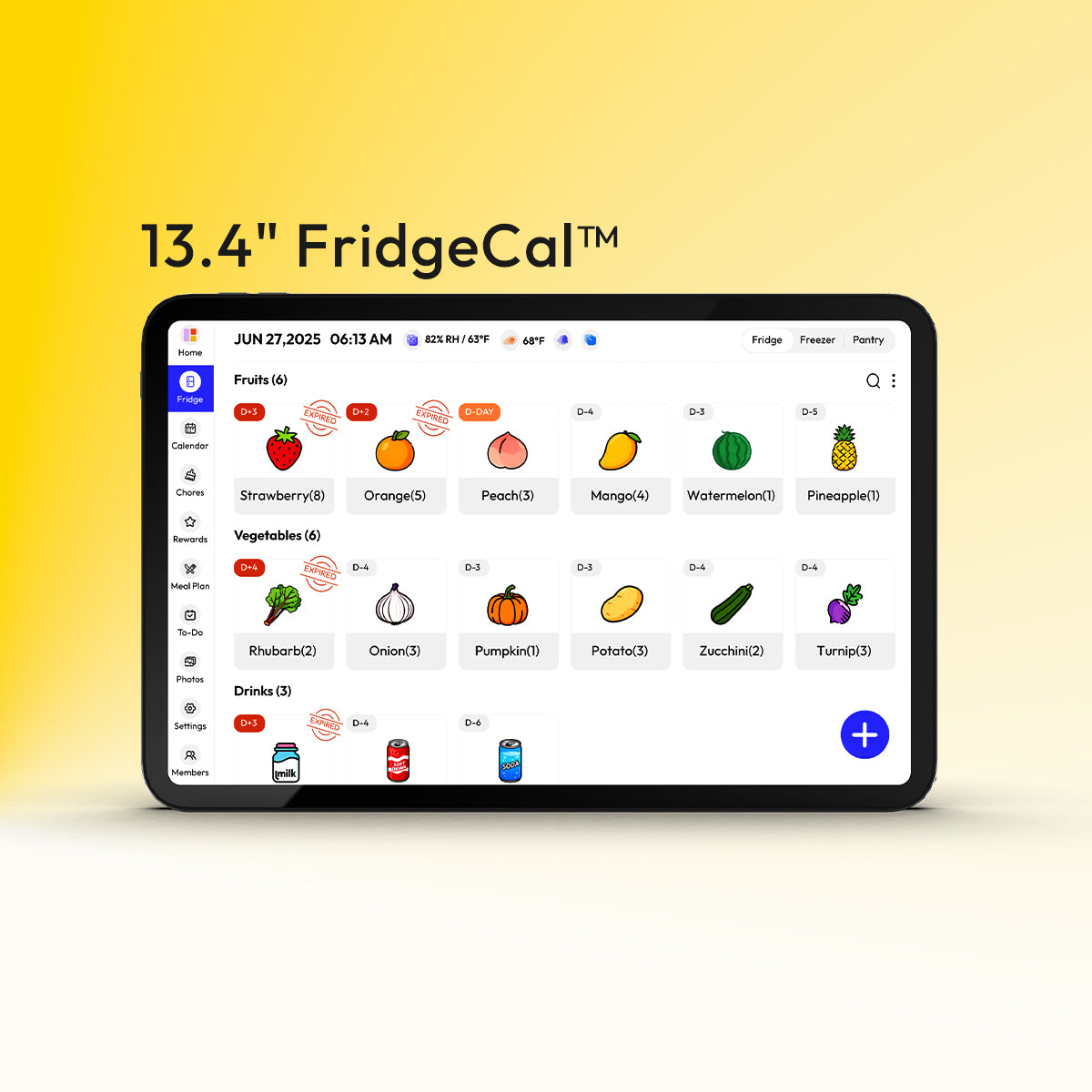
For a family fridge, the door is usually the weakest spot for yogurt because it warms up every time someone reaches for juice, condiments, or lunch items. Store yogurt on an interior shelf toward the back, where the temperature is steadier. If your smart fridge calendar or shared grocery list tracks dates, add a simple note like “opened Monday” so everyone knows when the clock really started.

When Yogurt Should Be Thrown Away
Mold is an immediate discard sign. Do not scoop around it. Yogurt is soft and moist, so contamination can spread beyond what you can see. A food guide warns that visible mold means the yogurt should be thrown out, not rescued by removing the top layer.
Smell is another useful clue, though not a perfect safety test. Plain yogurt should smell clean, tangy, and mildly sour. Toss it if the odor is rancid, yeasty, rotten, bitter, or simply wrong for that product. Flavored yogurt should still smell like its flavor, not like alcohol, old cheese, or sour garbage.
Texture matters too. A thin layer of liquid on top is usually whey, which is normal and can often be stirred back in. A large amount of liquid, chunky curds, sliminess, bubbling, or a texture that will not stir smooth again is a warning sign. Another food-safety article notes that some liquid on yogurt can be normal, but curdling, unusual odors, discoloration, and excess wateriness point toward spoilage.

The Two-Hour Rule for Busy Kitchens
Yogurt should not sit at room temperature for more than two hours. If the room or car is 90°F or hotter, the safer limit is one hour. USDA FSIS states that perishable foods should not be consumed after being left above 40°F for more than two hours, or more than one hour in hotter conditions; safe handling matters regardless of the label date.
A real-life example is the lunchbox yogurt that comes home unopened at 3:30 PM after leaving the fridge at 7:30 AM. Even if the printed date is next week, it has spent far too long warm unless it was held cold with enough ice packs. For a child’s lunch, that yogurt belongs in the trash.
Who Should Be Extra Cautious?
For healthy adults, a few days past a quality date may be a reasonable judgment call when yogurt has been cold and looks normal. For higher-risk family members, the margin should be smaller. Older adults, children under five, pregnant people, and people with weakened immune systems face greater risk from foodborne illness, and the same hospital nutrition guide highlights these higher-risk groups when discussing yogurt safety.
In a shared household, use the most cautious standard for foods everyone might grab. If Grandma uses yogurt with breakfast, a toddler eats from the tub, or someone is recovering from illness, it is better to discard questionable yogurt than make a separate mental rule for each person.
Pros and Cons of Eating Yogurt Past the Date
The upside is practical. You may reduce food waste, save money, and make better use of groceries that are still wholesome. A food-safety article notes that misunderstanding date labels contributes to unnecessary waste, with USDA estimating that 30% to 40% of the U.S. food supply is wasted.
The downside is that yogurt safety cannot be proven by the date, smell, or appearance alone. Some harmful germs may not announce themselves clearly. That is why the calmest household rule is not “expired means bad” or “smells fine means safe.” The better rule is: check the date, check the storage history, inspect the yogurt, and be stricter for vulnerable family members.
A Simple Family Decision Rule
If the yogurt is unopened, has stayed at 40°F or below, is only a few days past a best-by-style date, and passes sight, smell, and texture checks, it may be reasonable for a healthy adult to eat. If it is opened, use more caution and finish it sooner. If it has been left out too long, has mold, smells wrong, looks swollen, separates unusually, or you cannot remember when it was opened, toss it.
For a less wasteful routine, put newer yogurt behind older yogurt, write the opened date on the lid, and keep a “use first” area in the fridge. A smart digital fridge calendar can make this especially easy by turning “opened Tuesday” into a small household reminder instead of another thing one parent has to remember.
FAQ
Can I eat yogurt one week after the printed date?
Possibly, if it was refrigerated the whole time, the container is not swollen, and the yogurt has no mold, off smell, or strange texture. If it was opened, sweetened, fruit-filled, or handled by several people, be more cautious.
Is Greek yogurt different?
Greek yogurt is still yogurt, so the same safety rules apply. Its thicker texture can make normal whey separation more noticeable, but mold, swelling, rancid odor, bubbling, or stubborn lumpiness still means it should be discarded.
Can I freeze yogurt before it expires?
Yes, freezing can extend usefulness, though thawed yogurt may turn grainy or watery. Use thawed yogurt in smoothies, pancakes, sauces, marinades, or baking rather than expecting the same creamy spoonable texture.
A peaceful fridge routine is built on small, repeatable decisions. Keep yogurt cold, label it when opened, use older tubs first, and let any clear warning sign end the debate.


