
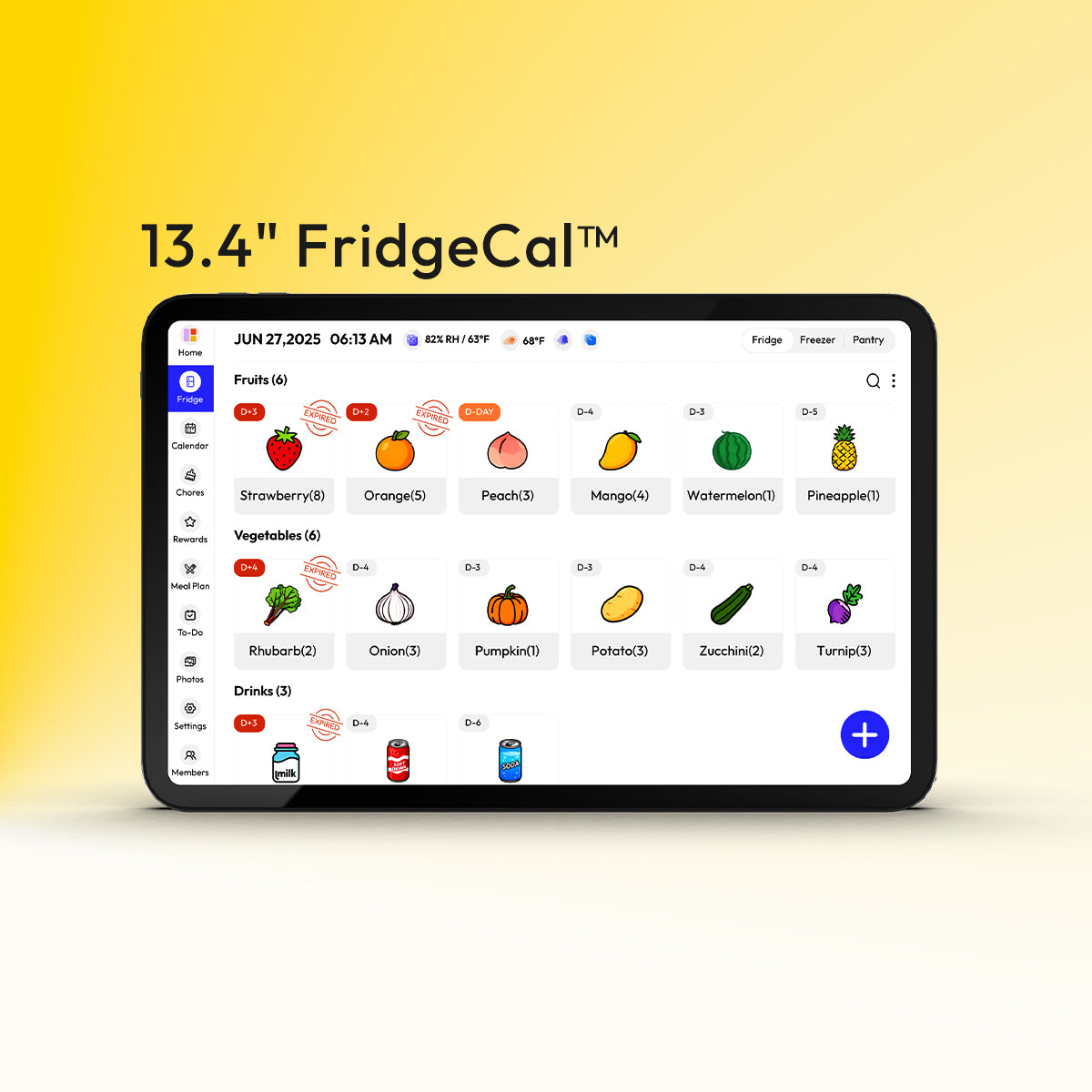
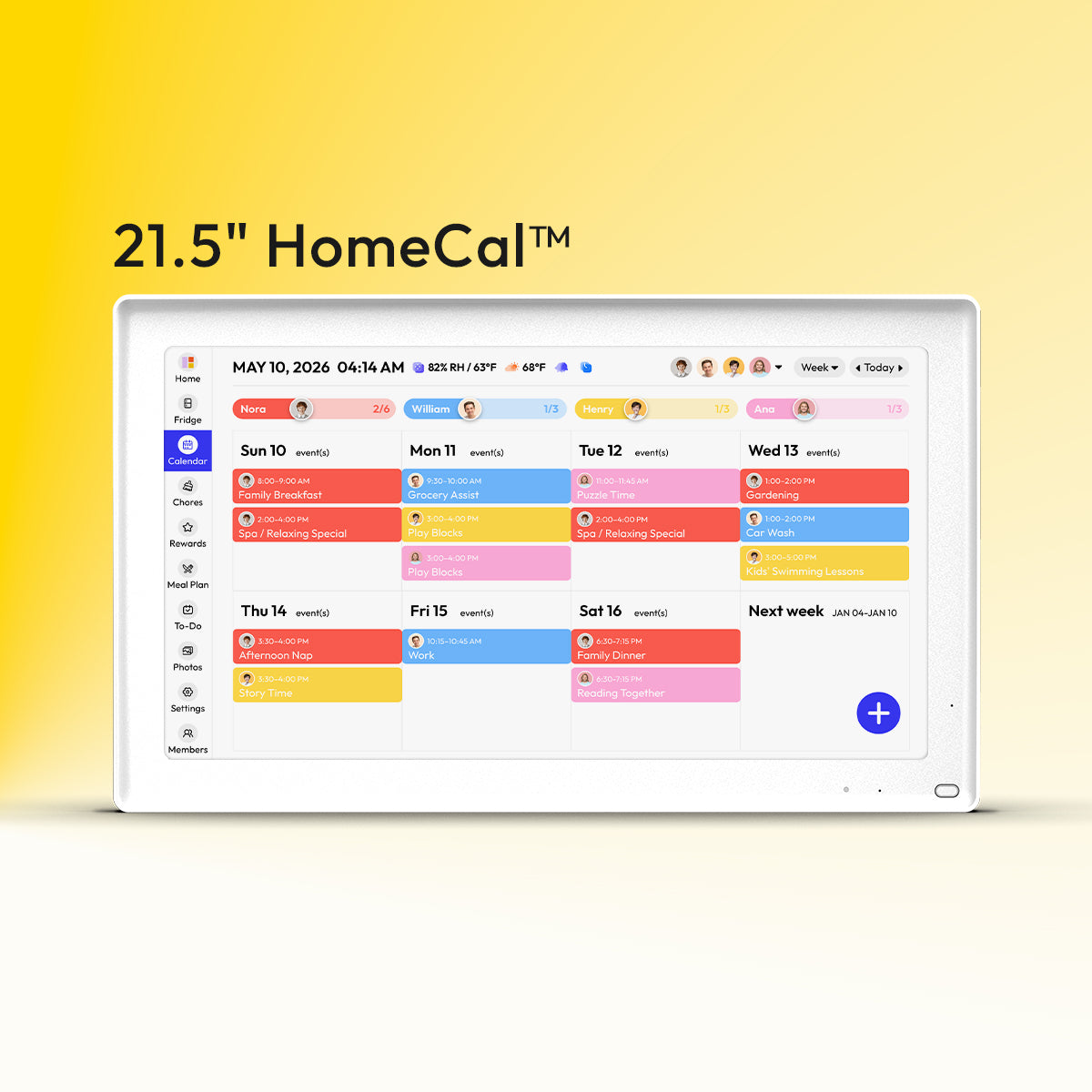


The right chore chart is the one your family can see, update, and trust in under a minute. For most busy households, that means a visible system that shows chores, schedule changes, and meal plans together instead of on separate scraps and apps.
If your week keeps getting derailed by a forgotten lunch, a missed pickup, or the usual “I thought your brother fed the dog,” the problem is usually the setup, not your effort. Most families can test a better location in less than a week and build a first version in under an hour. You will leave with a practical way to pick the right format, place it where people actually use it, and keep it simple enough to survive a real workweek.
Choose the Job Before You Choose the Chart
What the chart must show
A family chore app should answer three basics before you worry about design: what needs doing, whose turn it is, and whether it is complete. If the tool cannot show those three things quickly, it will not reduce hidden work. In a family with school drop-offs, practices, and late meetings, you also need to see when the job should happen, not just that it exists.
That is why the best setup is often bigger than a chore chart. A good family system holds personal responsibilities, shared chores, meal plans, and schedule changes on one surface, so the dog-feeding task sits in the same world as Tuesday’s game and Thursday’s pasta night. That connection cuts missed handoffs because everyone can see the day, not just the task.

When a shared calendar matters
A digital family calendar makes more sense than a standalone chart once your family is juggling school, work, sports, appointments, and meals in one week. Tools in this category range from free shared calendars to apps with shopping lists and wall displays, but the deciding factor is not the brand. It is whether the chart lives close enough to family traffic that people check it without being told.
A shared planning layer can look different from home to home. Google Calendar is often enough if you mainly need schedule visibility. Cozi is useful when meal plans, shopping lists, and to-dos need to live together. A wall display like Skylight makes more sense when kids need something they can pass and see in the kitchen instead of one more phone notification. A wall-mounted option such as Everblog 21.5" Digital Calendar can fit the same role when a family wants chores, events, and meal plans visible together on one screen. Morgen is most helpful when adults already manage several calendar accounts and want one place to plan across them.
Pick the Surface Your Family Will Actually Use
Quick comparison
A paper vs. digital chore system is not really a debate about technology. It is a trade-off between visibility, parent effort, and how often the plan changes. Paper and whiteboards are cheap, obvious, and easy for young children to understand. Digital tools add reminders, history, recurring tasks, and easier rotation when the week moves around.
Format |
Best for |
Strengths |
Watch-outs |
Printable or whiteboard chart |
Toddlers, preschoolers, one routine problem |
Very visible, low cost, easy to point to |
Adults must update, remind, and reset everything |
Magnetic board |
Young kids who like moving pieces |
Clear “to do” and “done” states, tactile feedback |
Limited space, still manual |
Standalone chore app |
Older kids, split households, busy weekdays |
Reminders, rotation, points, portability |
Can create app sprawl |
Integrated family hub or shared calendar |
Mixed-age families managing meals, school, and chores together |
One place for calendar, chores, meal plan, and lists |
Higher upfront cost or setup time |
Paper still has a real place. A digital tracking system usually gets stickier as children grow because it adds deadlines, reminders, timestamps, and less verbal nagging from adults. But for pre-readers, a picture checklist at kid-eye level can work better than another login.
Best fit by age and schedule
A best chore chart for kids usually matches both the child’s stage and the family’s schedule complexity. A 4-year-old may do fine with a fridge chart for toys, shoes, and napkin duty. A 10-year-old handling homework, sports, lunch prep, and pet care usually benefits from a system that can rotate weekly tasks and show what changes on late-practice nights.
A good family chore setup should also be easy for kids to access without needing a separate device for each child. Real-time sync matters. So does speed. If recurring task setup feels annoying, parents stop maintaining it. A good rule is that a repeating chore should take about 30 seconds to create, not a whole planning session.
If money is part of the system, make the reward visible and stable. A 14-day pilot with points or allowance works better than changing the rules every few days. Keep one points-to-cash rule the same, start small, and compare week 2 with week 1 by looking at completion rate, reminders needed, and whether payout matched the work.
Put the System Where Handoffs Happen
Placement rules that matter
A family command center works best in a high-traffic path like a kitchen entrance, mudroom, entryway, or the hall between the kitchen and front door. That is where bags land, mail piles up, and adults naturally stop for ten seconds. Offices, basements, bedrooms, and hidden walls usually fail because the system becomes invisible during the busiest parts of the day.
Testing placement is worth the trouble. Try two locations for 3 to 5 days each and count “touches” such as dropping keys, checking the calendar, adding groceries, or sorting school papers. The better spot is the one people already pass, even if it is less pretty.
A starter layout
A basic wall station can fit in about 3 to 4 ft of wall space and does not need a big budget. Most homes need four to six core pieces: one shared calendar, one paper inbox or sorter, key hooks, a message area, and then a meal board and grocery list if space allows.
Use a simple flow: capture, plan, and launch. Keep mail and forms within one step of the door. Put the calendar and meal plan at adult eye level. Mount kid-facing routine lists low enough for children to read or point to, with daily-use parts roughly within a 15 to 48 inch reach zone. This is one of the easiest ways to reduce the “I never saw it” problem.
If you want a screen-based hub, an electronic chore chart is most useful when it stays visible all day, not when it acts like another tucked-away tablet. Common family displays in the 15- to 27-inch range are often enough for calendar blocks, meal notes, and chore status without turning the wall into a giant dashboard.
Make Chores Specific and Fair
Write chores so kids can do them
A paper chore chart often fails when the wording is vague and the adult becomes the project manager. “Be ready for school” is not a usable task. “Put on shoes after breakfast,” “move your bowl to the sink,” and “put homework in the blue pocket” are usable tasks because a child can tell when each one is done.
The same digital tracking discussion also summarizes a U.S. sample of 2,205 children and youth showing that daily responsibility shifts gradually from parent to child over many years. In real homes, that means you do not need a perfect chart for the next five years. You need the next right step for the next two weeks.
Rotate weekly, not daily chaos
A weekly chore schedule for multiple kids works better when you separate personal responsibilities from family contributions. Making the bed, clearing your own dish, and packing your backpack can stay steady. Shared jobs like trash, dishwasher duty, bathroom wipe-down, or pet feeding can rotate weekly so one child does not get stuck with the same hated task forever.
Fairness matters more than perfect equality. A 3-minute counter wipe and a 45-minute bathroom clean are not the same job, so your system should not pretend they are. Start with one daily task and one weekly task for the first two weeks, then add only if the family is actually following through. That slower start prevents the common crash that happens when enthusiasm outruns habit.
Age examples that fit real life
A visible chore system should reflect what children can really do, not what would be convenient for adults. Ages 3 to 5 can put away toys, match socks, water plants, or carry napkins to the table. Ages 6 to 9 can feed pets, clear dishes, sort laundry, and help with lunch parts. Ages 10 to 13 can unload the dishwasher, take out trash, vacuum, and prep a simple side dish. Teens can handle laundry, cook one simple family meal a week, or manage a zone clean.
When a task is new, teach it in three steps: do it together, supervise nearby, then step back. That keeps the chart from turning into a list of jobs kids technically “have” but cannot yet complete without a fight.
Tie Chores to Meals and the Weekly Rhythm
A simple weekly rhythm
A true family hub works best when chores sit inside the same weekly rhythm as meals and appointments. Sunday can be the 15-minute planning block: check the calendar, choose five dinners, add groceries, and confirm who covers late-work nights. Weekday mornings can hold two or three short routine tasks, while after-school time handles bag unload, snack, homework start, and one quick reset.

After dinner is where many families win or lose the system. A 10-minute kitchen reset, lunch check, and tomorrow glance at the calendar is short enough to repeat and useful enough to matter. When dinner, dishwasher duty, and the next day’s schedule live together, children start to understand why chores happen when they do.
What usually breaks, and how to keep it simple
A shared household planning system usually breaks in the same places: too many tasks, too many surfaces, or too many exceptions. If the grocery list is on one app, the calendar is on another, the chore chart is on the fridge, and reminders live in texts, the household has to translate between systems all week. One adult usually ends up carrying that translation work.
Keep the system boring on purpose. One shared calendar. One meal-planning workflow. One chore view. One paper capture spot. If you need voice reminders, use them as a helper, not the main record. The visible board or hub should remain the source of truth.
FAQ
Q: Should I choose paper or digital for a 5-year-old?
A: A paper-first setup is often better for a 5-year-old if the tasks are short, visual, and tied to a single routine like mornings or after dinner. If the household itself is complicated, use a hybrid setup: a kid-facing paper checklist plus a parent-facing digital calendar or hub.
Q: How many chores should each child start with?
A: A slow rollout is more durable than a big launch. Start with one daily task and one weekly task for the first two weeks, then add a second daily task only if the first set is already happening without constant reminders.
Q: What features matter most in a chore app or family hub?
A: A good family chore chart app needs real-time sync, easy kid access on a shared device, and visible accountability without turning every missed task into a confrontation. Automatic rotation, recurring schedules, workload visibility, and meal or calendar integration matter more than flashy extras. If children under 13 will use accounts, check privacy settings and child-access options before you commit.
Practical Next Steps
Use this checklist to choose and test your system over the next seven days.
- Pick one pain point to solve first: missed morning handoffs, dinner cleanup, pet care, or forgotten papers.
- Choose one surface for the first version: fridge chart, magnetic board, shared app, or wall hub.
- Test two locations for 3 to 5 days and keep the one with the most real-life touches.
- Set up one shared calendar, one meal board, and one chore view instead of splitting them across multiple tools.
- Give each child one daily task and one weekly task, written in specific, observable steps.
- Hold a 10- to 15-minute family reset once a week to rotate chores, plan meals, and fix what is not being used.
- Leave the reward rule alone for 14 days so you can judge the system, not the latest tweak.
The right chore chart is not the prettiest one or the most advanced one. It is the one that makes work visible, connects chores to the family schedule, and lowers the number of reminders you have to say out loud.


