



A visible, shared routine helps families cover walks, food, water, and medications before the morning rush. The best system is the one the whole household will actually follow.
Is the leash missing, the lunch boxes are still open, and your dog is pacing by the door while everyone says they are already late? Families usually do better when dog care is treated as a fixed part of the departure routine instead of a last-minute extra, because that makes the walk, water, and breakfast visible before the chaos peaks. With a clear plan, you can fold pet care into your existing family calendar so mornings feel less guilty and more manageable.
Why the dog gets forgotten first
A shared scheduling hub can reduce household mental load because it pulls appointments, chores, reminders, and meal planning into one place instead of leaving one adult to remember everything silently. In real homes, the dog often gets missed not from lack of love, but because pet care sits in the gray area between "everyone knows" and "no one owns it."

That is why rushed mornings often lead to the same failures: the dog gets a shorter walk than needed, breakfast is delayed, medication is forgotten, or everyone assumes someone else refilled the water bowl. The fix is less about trying harder and more about making pet care visible, assigned, and repeatable.
What integrating pet care actually means
A pet wellness routine is not just feeding your dog at some point before noon. It includes fresh water, a bathroom break, movement, light enrichment, a quick health check, and recurring preventive tasks such as parasite medication, grooming reminders, or a vet follow-up when needed.
In practical terms, integrating pet care means your dog's needs live inside the same household system as bus times and meeting starts. If your family leaves the house at 7:40 AM, the dog's morning block should happen before that moment, not after it. A realistic weekday example is a 25-minute block: 15 minutes for a potty walk and sniff time, 5 minutes for breakfast and water, and 5 minutes for medication, paw wiping, or restocking poop bags by the door.
Build one visible morning command center
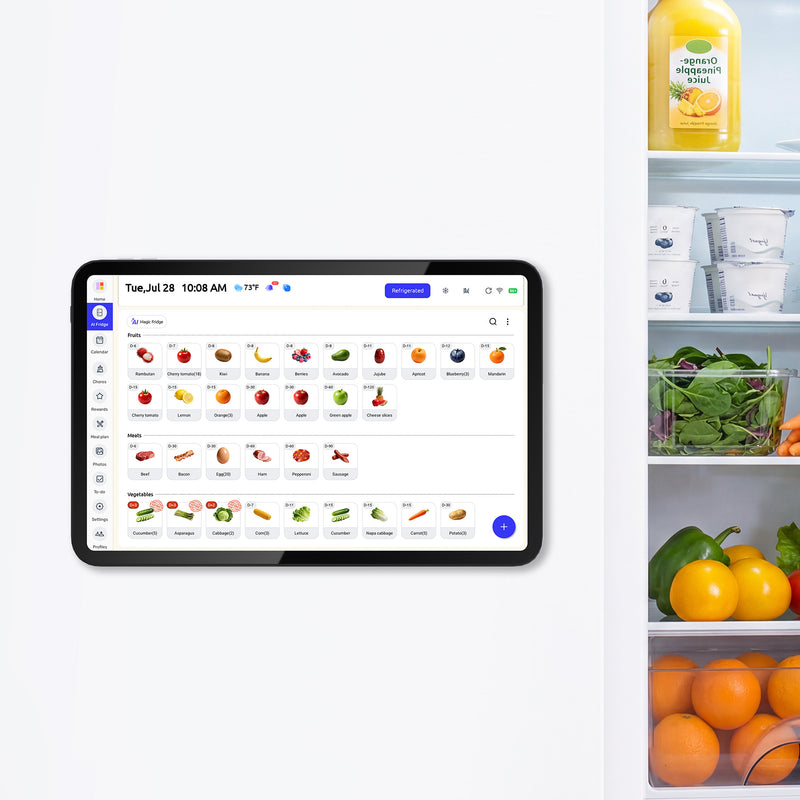
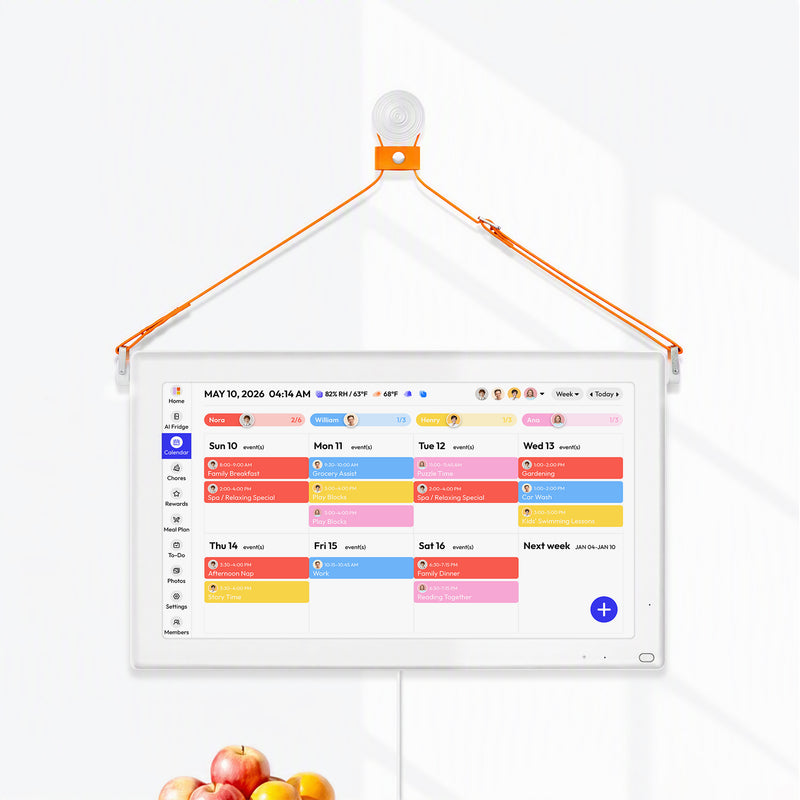
A digital wall calendar works best when it is placed where the family naturally gathers, and the kitchen is usually the best spot. That matters for pet care because a reminder buried in one person's cell phone does not help the teenager grabbing toast, the partner packing a work bag, or the child who can clip on the leash.
A comparison of shared family calendars shows why these displays appeal to busy homes: shared syncing, color coding, chore charts, and reminder features can make responsibilities more obvious at a glance. It also shows the real tradeoff many families feel immediately: prices can range from about $199 to $899, and larger, more advanced systems may still disappoint if the household never builds the habit of checking them.
System |
Where it shines |
Main advantage for dog care |
Main drawback |
Digital fridge or wall calendar |
Busy homes that gather in one place |
Everyone sees the dog routine without opening an app |
Upfront cost and possible subscription fees |
Phone-only shared calendar |
Smaller or highly mobile households |
Low cost and easy remote updates |
Easy to ignore during a frantic morning |
Walker, sitter, or daycare backup |
Homes with long workdays or impossible midday gaps |
Protects bathroom breaks and exercise consistency |
Ongoing cost and more handoff coordination |
Make the dog a visible part of the schedule
Pets thrive on routine because predictability supports both physical health and emotional stability. On a shared family display, that means the dog should have named recurring blocks instead of vague reminders like "take care of dog." A better morning entry is "Dog: potty walk, breakfast, refill water, meds," with one family color for pet care and one assigned person for that first task.

In homes that stick with the system, the dog's essentials are grouped instead of scattered. The leash lives by the exit, the food scoop stays in the bin, medications are stored near breakfast prep, and the calendar entry appears at the same time every weekday. That reduction in friction matters more than buying the fanciest screen.
Split care across the day instead of forcing a perfect morning
A calm morning routine helps reduce anxiety, and most pets benefit from consistent feeding and daily movement rather than random bursts of attention. For many dogs, that means the morning does not need to carry the full exercise load. If your dog needs 30 to 60 minutes of daily activity, you may handle 15 to 20 minutes before school and work, then finish the rest with an evening walk, backyard play, or a training session after dinner.
That split works especially well on high-pressure weekdays. A short, sniff-focused walk, a measured breakfast, and a puzzle feeder or lick mat can be enough to take the edge off the morning while preserving the dog's routine. The longer exercise and bonding window can happen later, when the house is quieter and no one is hunting for car keys.
When your morning schedule truly cannot cover the gap
A centralized pet profile is one of the smartest ideas to borrow from professional pet care systems, even for a regular family home. If a dog walker, sitter, daycare provider, grandparent, or older child may step in, keep one shared record with feeding instructions, allergies, medications, behavior notes, emergency contacts, and vaccine dates. That turns handoffs into a system instead of a memory test.
A customer-facing pet portal points to another useful household lesson: self-service works better than back-and-forth texting. For family use, that can be as simple as putting the dog's routine, pickup notes, and daycare days in the shared calendar so everyone reads the same instructions. If your dog attends daycare or gets midday help, the family command center should show that too, because outside support only reduces stress when everyone knows the plan.
Choosing the right level of tech
The best shared display solves a visibility problem, not a motivation problem. Reviews of household calendar systems make two practical points: the display should live where the family already gathers, and it should not depend on one person doing all the updating. Otherwise, even an expensive screen can become decorative instead of useful.
That is the key decision. If your household already follows a shared digital calendar and mainly needs the dog's routine to be more visible, a fridge or kitchen display can be worth it. If your family rarely checks a central screen, a cheaper phone-based system with strong recurring reminders may be the more honest choice. The best tool is the one your household will actually look at before the front door opens.
A calmer close to the morning
A dog does not need to compete with backpacks and breakfast if care is treated as part of the family's operating system instead of an extra task. Put the routine where everyone can see it, assign it clearly, and keep the morning version simple enough to repeat even on hard days.
When the dog's walk, water, food, and follow-up care are visible alongside everything else the family carries, the morning feels less frantic and the whole house leaves with a little more peace.


