







One shared planning hub works best when it keeps the custody schedule, school and activity times, handoff details, and a few home routines in one place. That usually cuts down on scattered texts, forgotten items, and last-minute timing mistakes.
If pickups keep changing, practice gear ends up at the wrong house, or everyone is sorting it out at 4:55 PM, the problem is often the system, not the people. Families usually do better when dates, exchange details, and daily responsibilities are visible instead of living in one parent’s head. You can build a setup that makes handoffs calmer, activity timing clearer, and two homes easier to run.
Why scattered planning breaks down
Too many small gaps turn into one big problem
Co-parenting gets harder when the plan lives in five places at once. Child-focused communication and consistent routines are commonly recommended because children tend to do better when adults coordinate around school, activities, health needs, and everyday expectations.
School-age children can often handle two homes, but their schedules also get busier fast. A consistent schedule with limited transitions matters more once you add school hours, early dismissals, sports, birthday parties, and homework into the same week.
Memory is a weak planning tool
A lot of handoff stress is really timing stress. A detailed co-parenting calendar helps families plan ahead, reduces miscommunication, and gives both homes a clearer picture of what is happening next.
Think about a normal Thursday: one child has band, one has soccer, school ends early, and pickup moves because of work. If that information is split between text messages, a paper flyer, and a mental note, the odds of a missed step go up. A shared hub does not remove every problem, but it does remove guesswork.

What one shared planning hub should include
The calendar layer
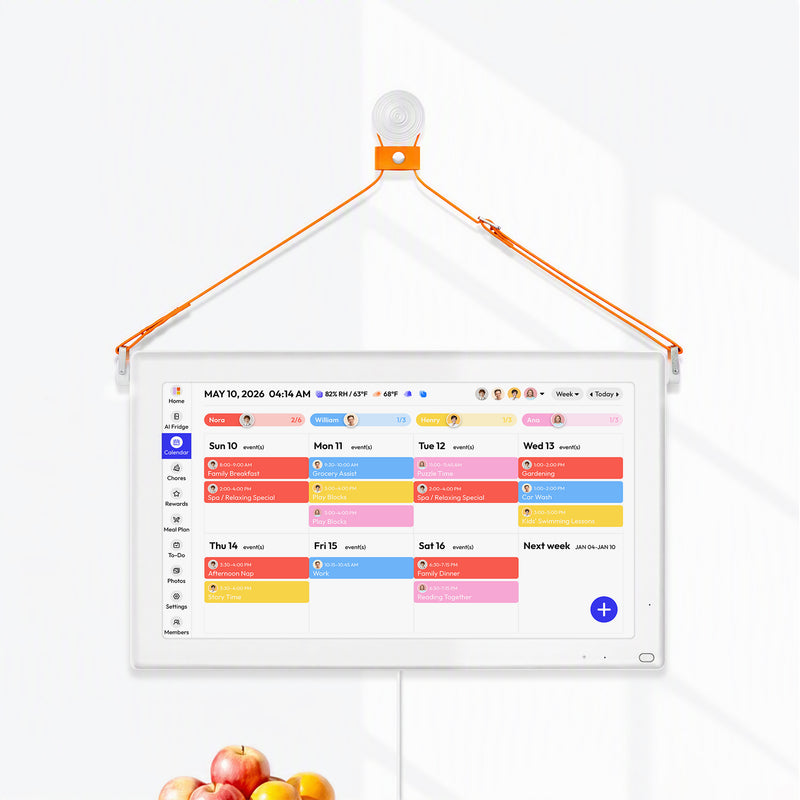
The first job of the hub is simple: show where the children are, when exchanges happen, and what else affects the day. A co-parenting calendar works best when it covers weekdays, weekends, holidays, school closures, summer plans, vacations, and exact exchange times.
Activity timing should live in that same system, not in a separate stream of messages. Add practices, games, appointments, school events, and who handles pickup or drop-off. If a child has orchestra at 6:00 PM after a 4:00 PM exchange, that should be one visible chain, not three separate reminders.
The household layer
The second job is to support the daily logistics around the schedule. Family organization systems tend to work better when they cover meals, chores, papers, and shared routines alongside the calendar, because those are the details that usually create friction during a busy week.
In practice, that may mean a meal plan, a grocery note, a school-paper tray, a backpack hook, and a small “lost and found” bin. Simple family organization methods also point to weekly paper review, labeled storage, and a short Sunday family check-in, which are useful when two households are trying to keep school items and timing straight.
The transition layer
Handoffs go more smoothly when the hub also shows what has to move between homes. Transition supports such as packing checklists, duplicate favorite items, and simple goodbye or welcome routines can reduce the scramble without putting children in the middle of adult coordination.
Distance matters too. Living close enough to make forgotten-item retrieval easier is helpful when families can manage it, but many cannot. When homes are farther apart, a checklist matters even more: charger, school laptop, cleats, medication form, library book, dance shoes, and comfort item.

Make handoffs and activity timing visible
Put the system where life already happens
A planning hub only helps if people actually see it. A family command center in a high-traffic area like the kitchen or mudroom is usually more useful than a beautiful setup hidden in a home office.
Visible does not have to mean large or expensive. Command center ideas built around small walls, corners, cabinet backs, hooks, folders, and baskets show that the real goal is not decoration. The goal is to keep the calendar, papers, and grab-and-go items close to the door and easy to check in under 30 seconds.
Use both digital and physical visibility
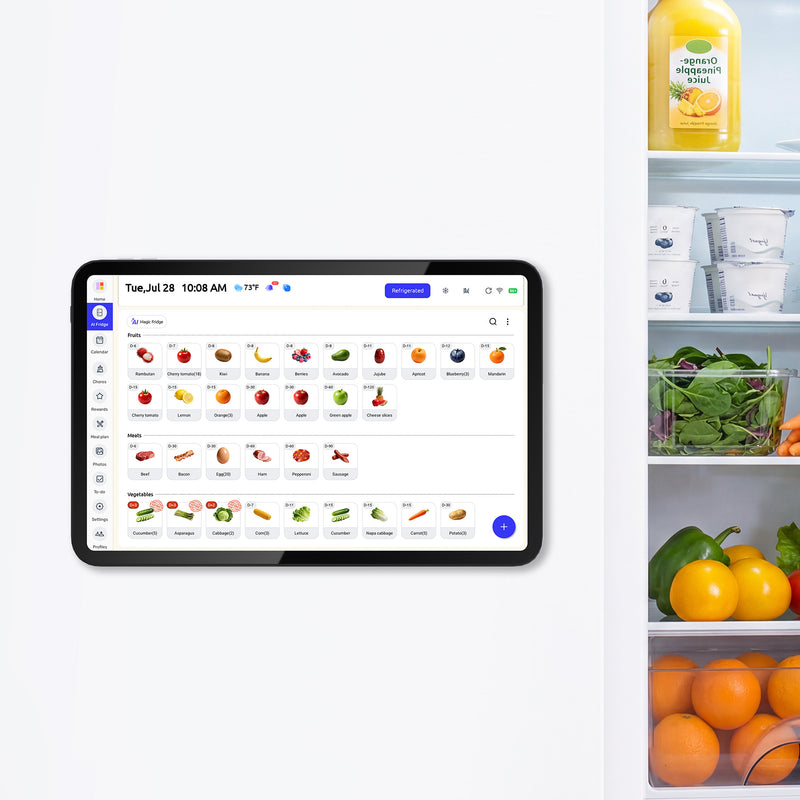
For many families, the strongest setup is a shared digital calendar between adults plus one visible home display in each house. Some use a wall-mounted shared digital calendar like the Everblog digital calendar to keep custody exchanges, activities, and chores visible in one place.
That hybrid setup reduces a common problem: adults have the information, but children do not. A child who can glance at a board and see “Mom tonight, school pickup at 3:15 PM, soccer at 5:30 PM” has one less transition surprise to manage. The same is true for the adult who needs to know whether the uniform is in the laundry, the backpack is by the door, and dinner needs to happen before practice.

Example: one event, one chain
A useful calendar entry is more specific than “Soccer.” It can say: “Thursday, 4:30 PM school pickup by Dad, 5:30 PM soccer, shin guards in cubby, water bottle filled, return recorder Friday.” That level of detail is not overkill when it replaces six text messages and a missed item.
Choose the right level of structure for your family
Simple setups work for lower-conflict families
Not every co-parenting situation needs a specialized platform. Families usually manage schedules with paper planners, a home command center, or shared smartphone calendar apps, and that may be enough when communication is already respectful and consistent.
If that describes your situation, keep the tool stack light. One shared calendar, one visible board, one paper tray, and one weekly review can do a lot. A system that is plain but used every day is better than a more impressive system that nobody opens.
More structure helps when communication is tense
Some families need tighter boundaries around communication. Parallel parenting is one approach used in higher-conflict situations, with limited written communication, clearer boundaries, and a more detailed plan so fewer decisions have to be argued in real time.
In those cases, co-parenting platforms that combine schedules, messages, and shared records may help because they keep logistics in one place. That is not about buying a perfect tool. It is about deciding whether your family needs a simple shared calendar or a more structured system with clearer documentation.
Avoid building a system that asks too much
The best organizing systems usually follow existing habits instead of trying to create a whole new personality. Simple home systems that keep the most-used items accessible are easier to maintain, especially during low-energy weeks or heavy transition days.
If your hub requires color-coding every scrap of paper, daily deep resets, and ten separate bins, it may not last. A better test is this: can a tired adult and a distracted child still use it on a Thursday night?
Support mental load with visible routines
Make the invisible work visible
Mental load is the work of remembering all the small moving parts. It is knowing there is a half day on Friday, the medication form needs a signature, one child needs black socks for the concert, and the other has a birthday gift to bring on exchange day.
Visibility often supports function better than hidden storage, and that matters in co-parenting homes too. When the most-used information and items are easy to see and grab, fewer tasks depend on one parent remembering everything at exactly the right moment.

Use supports that reduce decisions
Executive function is a plain term for the brain skills that help with planning, switching tasks, and following through. Stress can stretch those skills thin, and some adults or children also deal with ADHD traits or time blindness. A visible system will not treat that, but it may reduce the number of steps people have to hold in memory.
Labels, mini stations, folders, and separate spaces by family member can help when everyone needs different papers, shoes, and activity gear. Weekly check-ins and labeled storage may also help by turning vague reminders into concrete actions: sign this form, move these cleats, pack this bag, update this pickup time.
Keep children informed without making them responsible
Children benefit from knowing the plan, but they should not have to carry the communication between adults. Direct parent-to-parent communication and consistent routines across homes are better than asking a child to remember schedule changes, money issues, or pickup instructions.
A good shared hub lets children see what affects them while keeping adult coordination with the adults. They can check the countdown to a handoff, see which home they are going to, and use the packing list. They should not be the message board.
Practical Next Steps
A better handoff system is usually less about finding the perfect app and more about deciding what must be visible every day. Detailed plans that cover schedules, holidays, activities, and backup arrangements tend to reduce avoidable confusion because the next step is easier to see before the rush starts.
Start smaller than you think. Build one calendar, one pickup routine, one paper system, and one weekly review. Once those work for a month, add anything else that truly removes friction.
Action checklist
- Choose one master calendar for both homes and decide who updates custody time, school events, and activities.
- Add the next 12 months of school days, holidays, breaks, vacations, and recurring handoffs with exact times.
- Put a visible command center in a high-traffic spot in each home with a calendar, hooks, paper tray, and one checklist.
- Add handoff details to events: location, pickup parent, gear needed, forms due, and anything that must travel.
- Hold a 30-minute weekly review and a 5-minute daily glance so changes do not stay buried in messages.
FAQ
Q: Do co-parents need a special app to make this work?
A: No. Many families do well with a shared calendar and a visible board at home. A more specialized co-parenting platform may help if schedule changes, expenses, or written communication often become tense or confusing.
Q: What if one parent will not fully use the system?
A: Keep your own side accurate and visible anyway. One reliable calendar, one consistent checklist, and one written update pattern can still reduce missed details and give the child more predictability.
Q: Should kids have access to the shared hub?
A: Yes, to the parts that help them function. Let them see the schedule, countdowns, and packing steps, but keep adult disagreements, negotiations, and sensitive communication out of their role.
Disclaimer
This article is for household planning education only. It is not a substitute for mental health care, medical advice, legal advice, or crisis support. If safety, custody orders, or a diagnosed condition are involved, work with the appropriate licensed professional.
References
- 10 Secrets of Co-Parenting to Keep Everyone Happy & Thriving
- School-Age Child Parenting Plans & Custody Schedules: What is Best?
- Creating a Co-Parenting Calendar
- Digital Wall Calendars and Co-Parenting
- Simple Family Organization Hacks to Start The Year Off Right
- Simple Home Organization Systems: 5 Lessons That Work
- 21 Smart Family Command Center Ideas
- a platform
- Co-Parenting in Two Households: Tips for a Smooth Transition
- How to Establish a Command Center
- Parenting Plan Living Arrangements: Where Will Everyone Live?
- Family Organization: Your Complete Guide


