




A zero-waste broth bag is a simple freezer habit: save clean vegetable scraps, simmer them with water and aromatics, and turn them into flavorful broth for soups, grains, sauces, and busy weeknight meals.
Is your crisper drawer full of carrot peels, celery ends, and half-forgotten herbs by Thursday night? A single freezer bag of clean scraps can become a dependable cooking base instead of another item on the grocery list. Here is how to build the habit, avoid bitter broth, and make it fit into real family routines.
What Is a Zero-Waste Broth Bag?
A zero-waste broth bag is a sealed freezer bag or container where you collect edible vegetable trimmings until you have enough to make broth. The idea is practical, not precious: onion ends, carrot peels, celery leaves, mushroom stems, herb stems, leek tops, and garlic skins can all contribute flavor when they are clean and still fresh enough to eat.

Homemade vegetable broth from scraps is simply a cooked liquid made by simmering saved trimmings, herbs, and water, then straining out the solids. That definition matters because it keeps the habit low-pressure. You are not trying to make a restaurant consomme; you are creating a flexible kitchen helper that can make rice, lentils, soup, pan sauces, and casseroles taste more cared for.
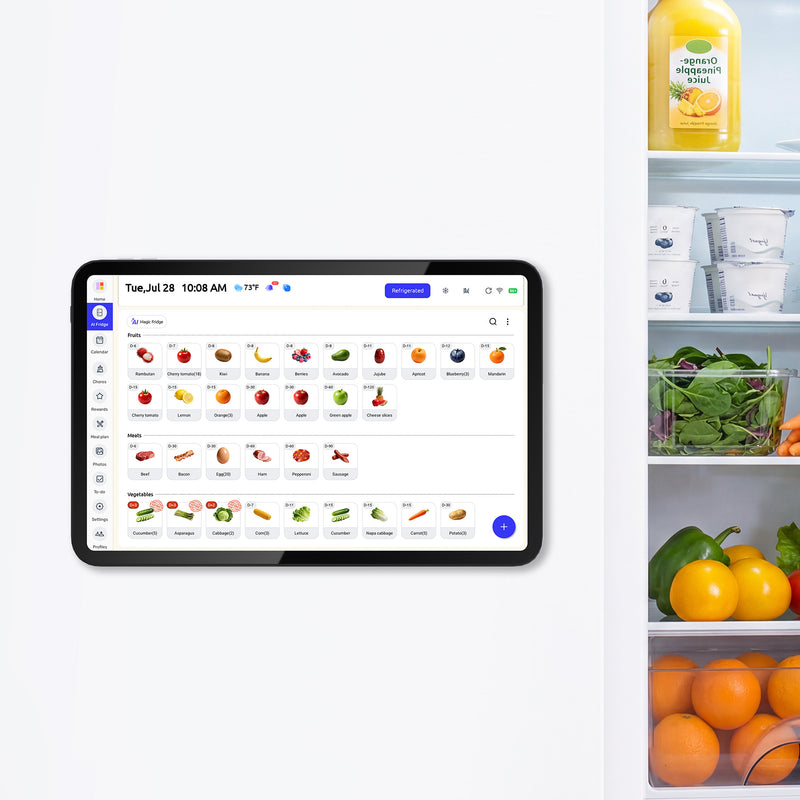
For busy households, this pairs naturally with meal planning. Planning meals in advance can reduce last-minute dinner stress, support healthier home cooking, and help families use what they already have, and meal prep works best when storage and visible ingredients are part of the routine.
Why This Habit Works for Families
The broth bag turns a small daily annoyance into a quiet system. When dinner prep leaves behind onion skins and carrot tips, you do not need to decide whether they are waste in the moment. You rinse what needs rinsing, skip anything questionable, and add the good scraps to the freezer.
The payoff is both financial and emotional. A homemade scrap broth can replace a carton of store-bought broth for many everyday meals. That single swap is small, but repeated over months, it becomes one of those tiny household efficiencies that makes the kitchen feel less leaky.
It also supports calmer planning. Family meal planning is easier when you have a few flavor-building staples ready, and food shopping and meal planning resources consistently frame planning ahead as a way to cook at home while staying within a budget.
What to Save and What to Skip
The best broth scraps are clean, mild, and aromatic. Carrot peels and tops, celery ends, mushroom stems, tomato ends, parsley stems, thyme stems, onion ends, garlic skins, leek greens, scallion ends, and shallot trimmings are reliable. A little potato peel, zucchini, bell pepper, kale stem, or cabbage can work, but these are better treated as supporting players.

The most common mistake is treating the freezer bag like a compost bin. It is not. Moldy, slimy, rotten, dirty, or strongly spoiled produce should never go into broth. If you would not cook it into dinner, do not cook it into broth.
Several cooking sources note that cruciferous vegetables can become pushy or bitter when simmered, including broccoli, cauliflower, cabbage, and Brussels sprouts. Some cooks avoid scraps that make broth bitter, muddy, or overly dominant, while others allow small amounts. The practical family-kitchen answer is moderation: one broccoli stem in a large bag may be fine, but a bag full of cabbage cores will likely make a broth no one wants in soup.
Use Lightly |
Skip Completely |
|
Carrot peels, celery ends, onion ends, garlic skins, mushroom stems, parsley stems |
Broccoli stems, cauliflower bits, cabbage, pepper scraps, celery leaves, potato peels, beet greens |
Moldy produce, slimy vegetables, dirty root ends, rotten scraps, anything with an off smell |
How to Build a Broth Bag Without Freezer Chaos
A broth bag only works if the system is easy to maintain. Use a gallon-size freezer bag, reusable silicone bag, or airtight freezer container. Label it “broth scraps” with the month you started it, then keep it in one visible freezer zone rather than letting it disappear under frozen waffles and ice packs.
When helping families organize kitchen routines, I have found that the deciding factor is placement. If the scrap bag is buried, no one uses it. If it has a clear home near frozen vegetables or soup ingredients, adults and older kids can add to it without asking where it goes.
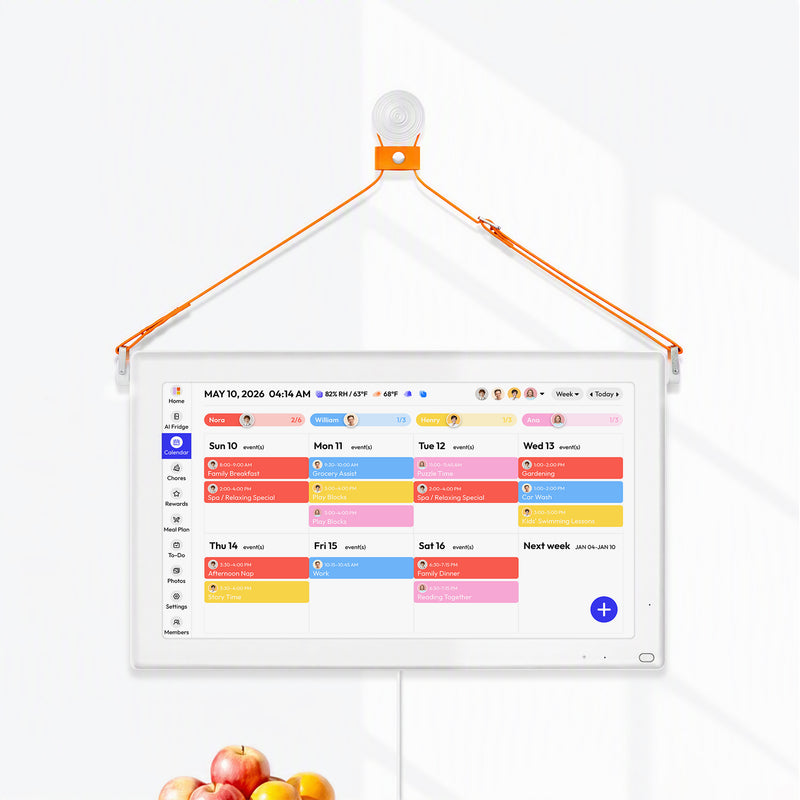
This is where a digital calendar or family command center can help. Add a repeating “broth check” to the same day you review groceries. If Sunday is your planning day, glance at the freezer bag while checking leftovers and produce. When it is full, write “make broth” beside a meal that already needs simmering time, like soup night or chili night.
For broader kitchen flow, shopping and cooking ahead is most useful when it saves both time and money, and the broth bag fits because it turns prep leftovers into a planned ingredient.
The Basic Method
Start with one full gallon-size bag of frozen vegetable scraps. If you want deeper flavor, saute a chopped onion, a few garlic cloves, and a carrot or celery stalk in a little olive oil for about 5 minutes before adding the frozen scraps. This fresh base helps balance bags that are heavy on peels and stems.

Add the scraps to a large pot and cover them with water only until they begin to float. Too much water makes thin broth. A practical starting point is roughly 10 to 12 cups of water for a very full freezer bag, then adjust next time based on taste. Add bay leaves, a few peppercorns, parsley stems, and a modest amount of salt if you know how you will use the broth.
Bring the pot to a boil, then reduce it to a gentle simmer. Many home recipes simmer for 30 to 60 minutes, while vegetable-only scraps, especially frozen ones, may release flavor quickly. In a family kitchen, a good compromise is to taste at 15 minutes, then continue only until the broth tastes rounded rather than grassy. Most batches are ready somewhere between 25 and 45 minutes.
Strain through a fine-mesh strainer, pressing the solids gently to extract liquid. Compost the spent scraps if your household does that. Cool the broth promptly, then refrigerate or freeze it in portions you will actually use.
Storage That Keeps It Useful
Fresh broth should be cooled and refrigerated in airtight containers, then used within about one week. For longer storage, freeze it in 2-cup or 4-cup portions, leaving about 1 inch of headspace because liquid expands as it freezes. Ice cube trays are excellent for small flavor boosts, especially when you only need a splash for sauteed greens, sauces, or reheated leftovers.
Meal prep guidance often emphasizes labeling foods with dates and keeping older items visible, and that same food storage principle keeps broth from becoming mystery ice. A simple label like “Veg broth, June 4, 2026, 2 cups” is enough.
If you use a freezer inventory note, write something like “Veg broth: four 2-cup containers.” That prevents the classic problem of buying boxed broth while homemade broth sits unused.
Best Uses for Scrap Broth
Scrap broth shines in meals where a little variation is welcome. Use it to cook rice, quinoa, lentils, farro, beans, couscous, or savory oats. Add it to vegetable soup, minestrone, pot pie filling, ramen-inspired bowls, chili, braised greens, mashed potatoes, or pan sauces.

It is less ideal when the broth needs to be pale, perfectly clear, or delicately flavored. Treat scrap broth as a useful everyday replacement for basic boxed broth rather than a substitute for refined clear stocks. That is a fair expectation. This is family liquid gold, not a formal French base.
For a practical calculation, imagine taco night leaves onion ends, pepper tops, cilantro stems, and mushroom stems from lunch prep. Save those separately as a Tex-Mex-leaning broth bag, then use the finished broth for black beans or rice. Keeping strongly flavored scraps in their own bag gives you more control.
Pros and Cons
The biggest advantage is waste reduction without adding much work. You are already chopping vegetables, so saving clean trimmings takes only seconds. It can also lower grocery spending, reduce packaging, and make quick meals taste more homemade.
The tradeoff is inconsistency. Your broth will taste different every time because the scraps change. It also requires freezer space, basic labeling, and judgment about bitter vegetables. If your household dislikes surprise flavors, keep the bag simple: onion, carrot, celery, mushroom, garlic, parsley, and thyme.
Another limitation is food safety. The broth bag should never become a place for questionable produce. Clean scraps from fresh prep are welcome; old, wet, moldy scraps are not.
A Simple Family Rhythm
Tie the broth bag to habits you already have. During weeknight chopping, add clean scraps to the freezer. Before grocery shopping, check the bag. When it is full, make broth while another low-attention task is happening, such as folding laundry, packing lunches, or simmering soup.
The calmest systems are the ones the whole household understands. A child can learn that carrot peels go in the broth bag, while moldy produce goes out. A partner can check the freezer note before buying broth. Small shared habits like this build a kitchen that feels more cooperative and less reactive.
FAQ
Can I use onion skins?
Yes, clean onion skins can add beautiful golden color. Avoid dirty skins and root ends with soil attached.
Can I add salt?
You can, but go lightly. Unsalted broth is more flexible, especially if you plan to reduce it or use it in salty recipes.
Why did my broth taste bitter?
It may have simmered too long, included too many cruciferous scraps, or contained old freezer-burned vegetables. Next time, shorten the simmer and keep broccoli, cabbage, cauliflower, peppers, and strong greens to small amounts.
Can I make it in a pressure cooker?
Yes. Some scrap broth methods use high pressure for about 10 to 15 minutes with a natural release. The flavor can be strong, so taste and dilute if needed.
A Calmer Kitchen, One Bag at a Time
The zero-waste broth bag is not about perfection. It is a small, repeatable household rhythm: save the good scraps, skip the questionable ones, simmer with care, and give future meals a head start. Over time, that one freezer bag can make dinner feel a little less rushed and a lot more connected.


