

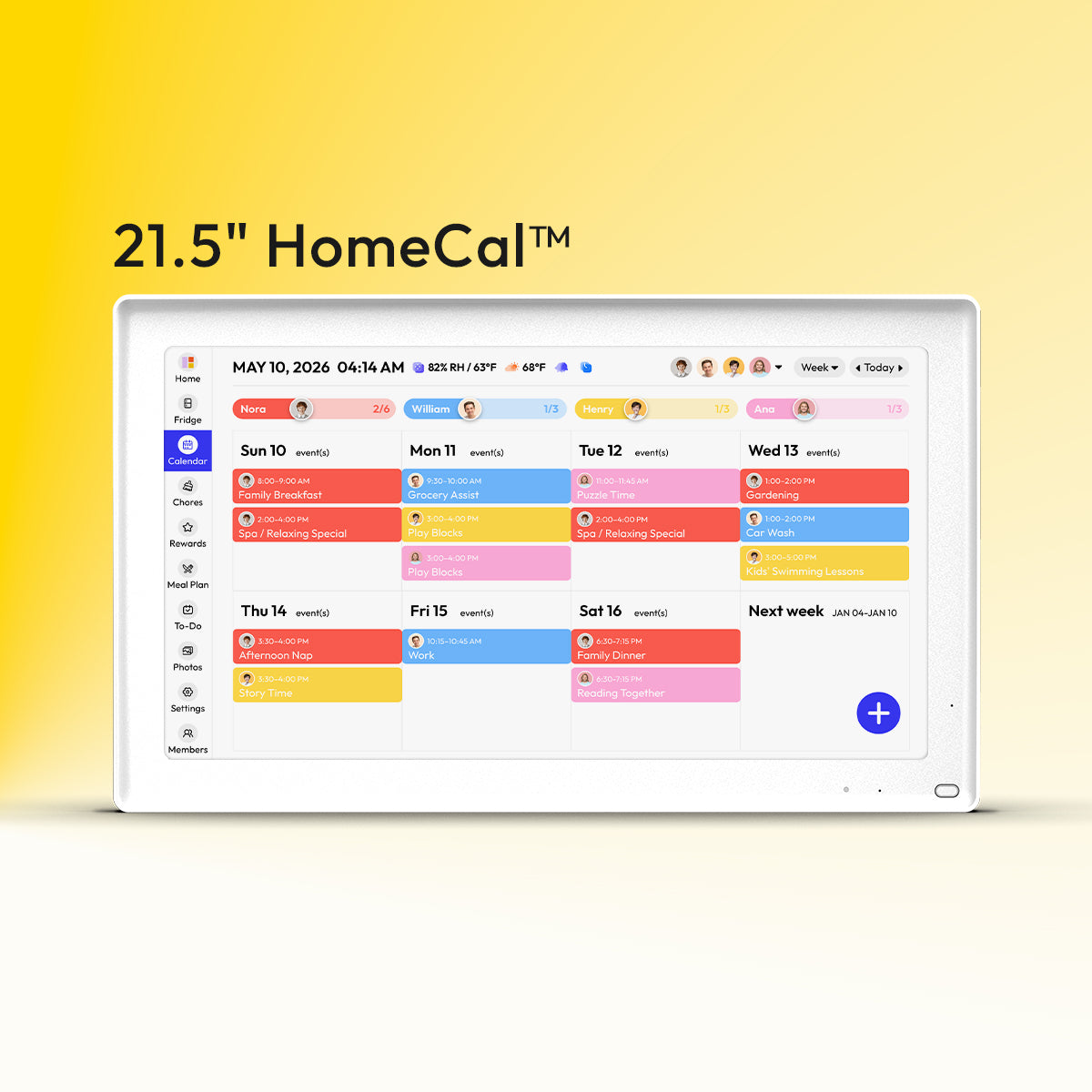

Let's be real—most chore charts die a slow death on the refrigerator door. The initial excitement fizzles out in a week or two, and soon it's just another piece of paper collecting dust and reminding you of a good intention that went nowhere.
Why does this happen? Usually, it's because the chart feels like a top-down order from management (that's you) to the unpaid interns (your kids). When a chore system is just a list of demands, it breeds resentment and quickly becomes one more thing to argue about.

The secret to making it stick is a simple but powerful mindset shift. Instead of thinking, "How can I get my kids to do stuff for me?" try framing it as, "How can I prepare my kids for the real world?" Suddenly, chores aren't a burden. They're a training ground.
Building Life Skills, Not Just Checking Boxes
A great chore chart and reward system is about so much more than a clean floor. It’s an investment in your child's future, teaching them skills that will serve them long after they've forgotten how to load a dishwasher.
- Responsibility and Accountability: Kids start to see themselves as essential members of the family team. Their contributions matter, and they learn to own their role.
- A Real Work Ethic: There's a genuine satisfaction that comes from starting a task and seeing it through to the end. Chores teach that.
- Delayed Gratification: Saving up points for a bigger reward is a masterclass in patience and planning.
A lot of systems fail because they're all about compliance. But when you learn about effective goal setting for kids, you can pivot toward fostering a real sense of accomplishment. The goal is to help them feel proud of their work.
The best systems are built on shared contribution. When kids feel like valued partners in running the house, their own internal motivation kicks in, and you’ll find yourself nagging a whole lot less.
The Long-Term Impact of Pitching In Early
This isn't just a hunch; there's solid research to back it up. A landmark University of Minnesota study found that the single biggest predictor of a person's success in their mid-20s was whether they started helping with chores at age three or four.
The kids who started early were more self-sufficient and had better career outcomes than those who didn't start until they were older. It turns out, teaching a toddler to put their toys away isn't just about a tidy room—it's about building a foundation for a capable adult.
Designing a Chore Framework Your Family Will Actually Use
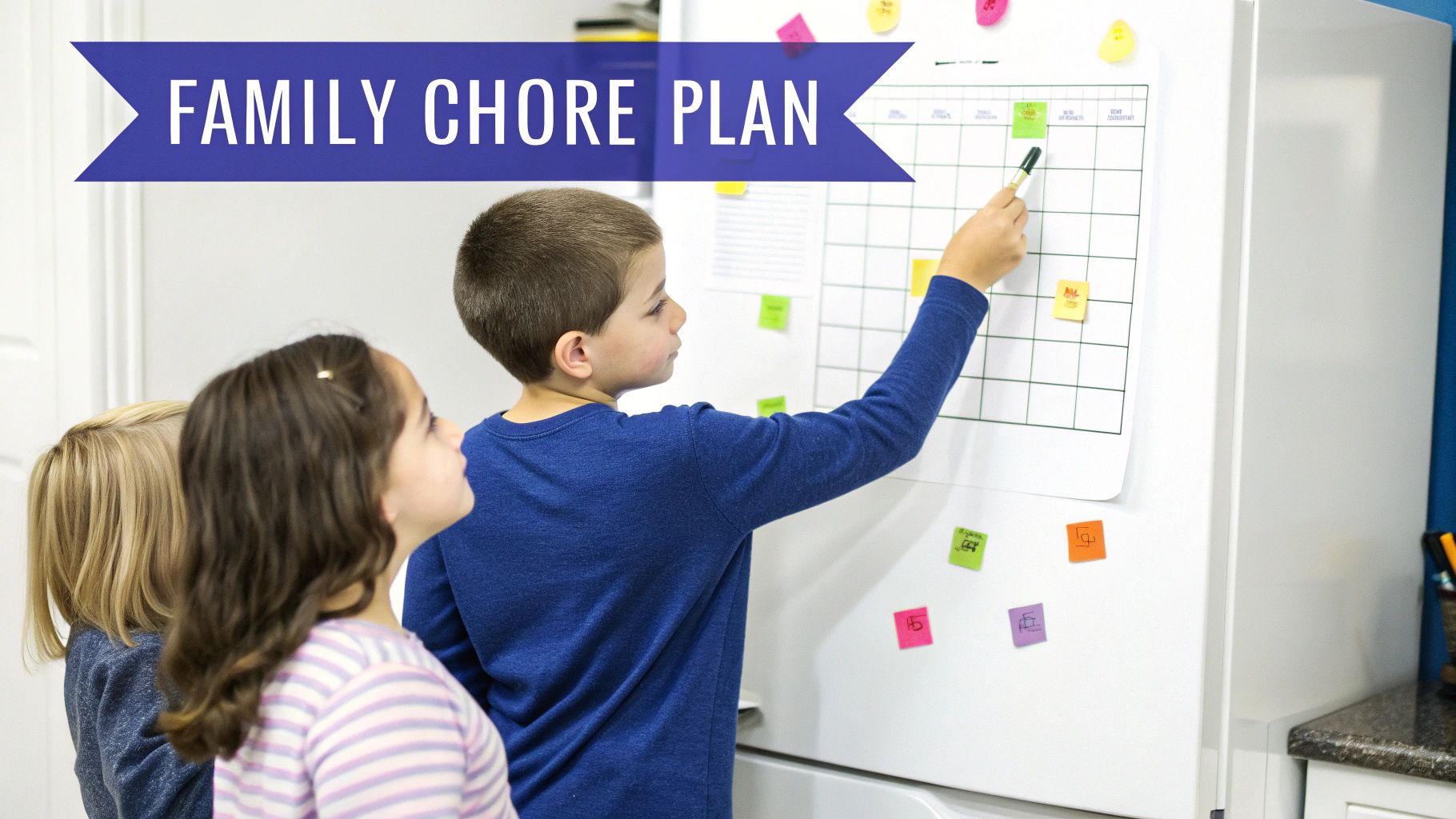
Here’s a secret: a successful chore system has very little to do with the chart itself. It's all about collaboration. If the plan feels like it was handed down from on high, it's pretty much doomed. The real first step? Get everyone in on building it from the ground up.
Call a family meeting, but don’t make it feel like a lecture. This is a brainstorm. Your goal is to map out everything—and I mean everything—that keeps your household running. Kick things off by making a "master list" of all the tasks, from feeding the dog and taking out the recycling to wiping down the counters.
This little exercise can be a real eye-opener for kids. Suddenly, all that invisible work that just happens becomes visible. When they get to add to the list, they start taking ownership of the process before a single chore is even assigned. It’s a game-changer.
Building a Fair and Balanced Chore List
Once you have your master list, it’s time to divide and conquer. The key here is fairness, not perfect equality. What a 5-year-old can contribute is going to look completely different from what a 15-year-old can, and that’s exactly how it should be.
The trick is to match chores to each kid's age and ability. A toddler putting their own toys in a bin feels a massive sense of pride. A pre-teen, on the other hand, can totally handle unloading the dishwasher or prepping a simple part of dinner.
For the younger crowd, visuals are everything. We’ve actually put together a guide on creating an effective picture chore chart that can make a huge difference in getting them on board.
Don’t forget to look at your family’s actual schedule. If Tuesdays are a chaotic mess of soccer practice and music lessons, maybe that’s a lighter chore day. The best plans are flexible enough to bend with real life, which keeps everyone from getting frustrated and giving up.
A chore framework isn't just a list; it's an agreement. When kids help decide what needs to be done and how to divide the work, they are far more likely to see the plan as their own and stick with it.
Age-Appropriate Chore Ideas for Your Family
Figuring out who should do what can be tricky. This table is a great starting point for brainstorming chores that are a good fit for different developmental stages. Just remember to tweak it based on what you know about your own kids.
| Age Group | Example Chores |
|---|---|
| Toddlers (2-3) | Put toys in a bin, place dirty clothes in the hamper, wipe up small spills with a cloth, put their own books on a low shelf. |
| Preschoolers (4-5) | Set the table with napkins and silverware, feed a pet, water a plant, help put away groceries, make their bed with help. |
| Early Elementary (6-8) | Unload the dishwasher, sort laundry by color, sweep floors, empty small trash cans, set and clear the dinner table. |
| Upper Elementary (9-11) | Prepare simple meals (like sandwiches or scrambled eggs), take out trash and recycling, help with yard work, load the dishwasher properly. |
| Teens (12+) | Cook a full family meal once a week, manage their own laundry from start to finish, mow the lawn, supervise younger siblings for short periods. |
Remember, these are just ideas! The best chore list is one that works for your family.
Once your framework is in place, the right tools can help you manage it all without the constant nagging. This is where something like Everblog's Chore Manager comes in handy. You can assign recurring tasks, send gentle reminders, and track everything in one spot. It helps turn a daily point of conflict into a smooth operation that the whole family can get behind.
Crafting a Reward System That Truly Motivates
A great reward system is the secret sauce that makes a chore chart actually work. But it’s also the place where a lot of families trip up. The real goal isn't just to get your kids to take out the trash; it's to build genuine motivation and teach them some pretty big life lessons along the way.
If you just trade cash for chores, you accidentally turn family contributions into paid gigs. This can kill the sense of teamwork you’re trying to build.
A better way is to think of rewards as the fun payoff for learning about goal-setting and patience. The systems that stick around are the ones that use a fun "currency"—like points, stars, or tokens—that kids earn for finishing their tasks. It gamifies the whole process and makes it feel less like a grind.
Monetary vs. Experiential Rewards
This is the classic debate: money or experiences? Cash seems easy, but studies have shown it can sometimes backfire by killing a kid's natural desire to help out. They start to see chores only as a way to get paid. If the money stops, so does the help.
Experiential rewards, on the other hand, build memories and connect a kid’s effort to quality family time.
- Monetary Rewards: These can be great for teaching older kids about budgeting and saving for something big they really want. The risk? It can make chores feel like a job, not a family responsibility.
- Experiential Rewards: Think about things like choosing the Friday night movie, getting 30 extra minutes of screen time, or a special one-on-one outing with a parent. These rewards build connection and feel way more meaningful than a few dollars.
The most powerful rewards are often not things you can buy. They're privileges and experiences that make a child feel seen, trusted, and valued for their contribution to the family.
A great way to give them a sense of choice is with flexible options like experience vouchers for kids and teens. It gives them something exciting to work toward that they can pick themselves.
Building a System That Lasts
To create a chore chart and reward system that doesn't fizzle out after a week, you need clear, achievable goals. This is a team effort. Sit down with your kids and brainstorm a "rewards menu" together. When they have a say in what they're working for, their buy-in is a game-changer.
Make sure the menu has a mix of small, medium, and large rewards. A small reward might cost 10 points and be something they can cash in weekly, like picking a dessert. A bigger one could be 100 points and require a month of saving, like that trip to the zoo they've been asking about. This tiered structure is a fantastic, low-stakes way to teach them how to plan ahead and save.
If you're looking for more ways to get this kind of cooperation going, check out our guide on how to get kids to do chores without the nightly battles.
This is exactly where Everblog's Rewards Tracker shines. You can set up custom rewards, assign point values, and let the kids watch their progress grow in real-time. That visual feedback is incredibly motivating, and it gets you out of the business of being the family bookkeeper. The whole thing becomes a positive, collaborative project for everyone.
Putting Your Chore and Reward System into Action
You’ve done the hard work of creating a solid framework and a reward menu that actually gets your kids excited. Now for the launch. How you introduce this new system can make or break its long-term success. The goal is a smooth rollout, not a surprise mandate, so get everyone together for a quick, upbeat family meeting to go over the plan.
This is your moment to clearly lay out the rules of the game. Show off the chore list, explain how points or stars are earned, and really build up the hype around the rewards they helped choose. Getting everyone on the same page from day one heads off confusion down the road.
Maintaining Momentum After the Initial Buzz
The first week is usually a honeymoon period. Everyone’s enthusiastic and on board. The real test is what happens when that novelty wears off. This is where consistency becomes your secret weapon. For the system to stick, it has to become a reliable part of your family’s daily rhythm—not just something you remember when you’re fed up.
This is where a little tech can be a huge help. A paper chart on the fridge is easy to ignore (or "forget"). A dedicated tool, on the other hand, can make all the difference. An electronic chore chart can automate the nagging and tracking, taking the constant reminders off your plate.
The key to consistency isn’t perfect enforcement; it’s making the system easy to use for both you and your kids. If tracking chores and points feels like a chore itself, the whole system is likely to fail.
So, what kind of rewards should you focus on? It depends on your goal. Are you trying to build lasting motivation or just get a specific job done?
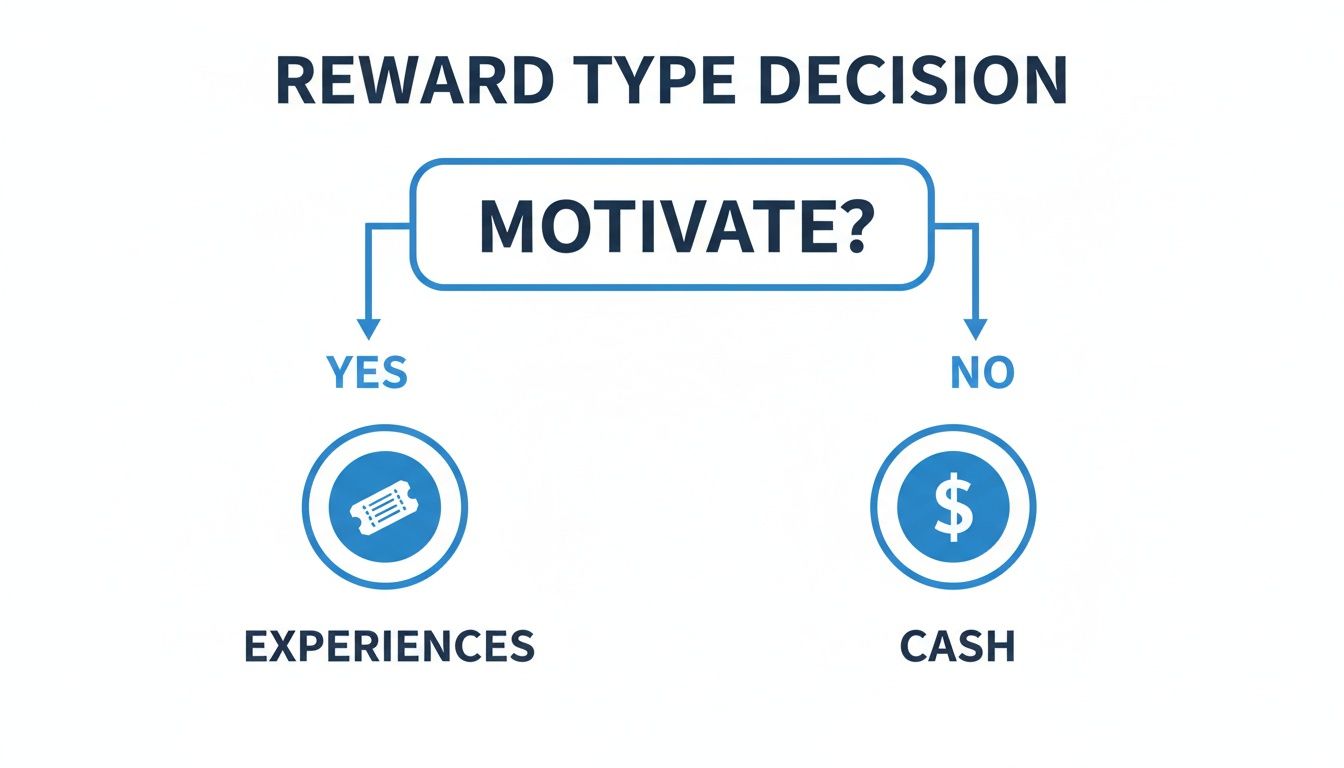
As you can see, experience-based rewards are fantastic for building that internal drive, while cash can be a more straightforward tool for specific situations. There's no single right answer, just what's right for your family.
Making Tracking Effortless
The easier your system is to track, the more likely you are to stick with it. When it’s simple, you can spend less time being the chore police and more time being the cheerleader. This is exactly what tools like Everblog’s Chore Manager and Rewards Tracker were designed for.
Instead of a messy chart and manual point-tallying, you get a clean, at-a-glance dashboard. Kids can see their assigned tasks and watch their rewards add up in real-time, which is a massive motivator. By letting the tech handle the tedious parts of managing the system, you free up your own energy to celebrate their wins and keep that positive momentum going strong.
Navigating Common Roadblocks and Staying Consistent
Let's be real. Even the most perfectly designed chore chart and reward system will hit a few speed bumps. It’s inevitable. Life gets hectic, kids get bored, or they suddenly decide that making their bed is a profound injustice against humanity.
This is completely normal. The key is to see these roadblocks not as failures, but as chances to fine-tune your approach and reinforce the family teamwork you’re trying to build.
When the complaints start bubbling up, resist the urge to turn it into a power struggle. Instead, get curious. A simple, "You seem frustrated with this chore. What's going on?" can open a real conversation instead of starting a fight.
When Motivation Dips
After a few weeks, that initial excitement can wear off. Suddenly, chores feel like… well, chores again. This is your signal to get them re-engaged.
Maybe it’s time to refresh the rewards menu with some new ideas. Or perhaps a task has gotten too easy, and they’re ready to level up to a new responsibility.
Sometimes, pushback is just a sign that a chore is genuinely too hard for them right now. If your seven-year-old is struggling to fold laundry neatly, it's okay to scale back. Modify the task to just sorting socks for a bit. The goal here is progress, not perfection.
A common mistake is getting too rigid. The best chore systems are living documents. They should adapt as your kids grow and family needs change. A system that works for a six-year-old won't work for a sixteen-year-old.
Addressing Common Issues
Consistency is your most powerful tool. When kids see that the rules are firm but fair, they learn to depend on the structure you've created. Here’s how to handle a few of the usual suspects:
- Sloppy Work: If a chore is done poorly, try to avoid re-doing it for them. Instead, calmly say something like, "This isn't quite finished. Let's look at what 'clean' means for this task." Showing them the standard is way more effective than criticizing their effort.
- "Forgetting" Chores: This is exactly where a tool like Everblog’s Chore Manager saves the day. Gentle, automated reminders take you out of the nagging role. If they still forget, the natural consequence is simple: no points for that day.
- Constant Complaining: Acknowledge their feelings without caving. You might say, "I get that you don't enjoy this, but it's your contribution to our family, and we really appreciate it." Holding the boundary while validating their emotion is a delicate but effective balance.
Ultimately, your own attitude sets the tone. When you model a positive, can-do approach to your own household tasks, you’re showing them that contributing is just a normal, satisfying part of family life. That consistency is what embeds these habits into your family culture for the long haul.
Tackling Common Questions About Chores and Rewards
Setting up a new system for the family always comes with a few tricky questions. Getting these common worries ironed out from the get-go will help you build a chore chart and reward system that feels fair, effective, and actually positive for everyone.
Let’s dive into some of the biggest hurdles parents run into.
"Is This Just Bribery?"
This is probably the number one concern I hear, and it’s a fair question. But there's a huge difference between a reward and a bribe.
Bribery is what happens in the heat of the moment. It’s reactive. Think: "I'll give you a cookie if you just stop whining right now." It's a desperate, short-term fix to stop bad behavior.
A well-designed reward system is the exact opposite. It's proactive. It's a calm agreement you make ahead of time that teaches a fundamental life lesson: when you put in consistent effort, you earn privileges. It’s much closer to how the real world works—like getting a paycheck for a job well done—instead of a frantic, one-off transaction.
Should I Pay My Kids for Basic Chores?
The great allowance debate! Honestly, there’s no single right answer here; it comes down to what feels right for your family. That said, many child development experts suggest separating everyday "family contributions" from chores that earn actual money.
Family contributions are the non-negotiables—the things we all do just because we're part of the household. Clearing your own plate, putting dirty laundry in the hamper, making your bed. These aren't jobs; they're just part of being a team.
A great approach is to offer a small, unconditional allowance to teach financial literacy. This money isn't tied to daily chores. It’s a tool for them to learn budgeting, saving, and spending. Then, you can offer to pay them for "above-and-beyond" jobs that are outside their normal responsibilities, like washing the car or helping with a big yard project.
This hybrid model teaches two distinct but equally important lessons. The unconditional allowance is about money management skills, while earning extra for big jobs teaches the value of a strong work ethic.
What if My Child Just Refuses to Do a Chore?
Ah, the standoff. It’s bound to happen. When a child refuses, the first step is to take a breath and have a calm conversation. Try to understand the "why" behind it. Is the chore genuinely too hard for them? Are they feeling overwhelmed? A simple adjustment might be all you need.
But if it's just plain old unwillingness, the key is to be consistent. Calmly enforce the natural consequences you all agreed on when you set up the system. This isn't a punishment—it's just the system working exactly as it should.
If they don't do the chore, they don't earn the points or the reward. Simple as that. When kids see that refusal has a direct, predictable, and unemotional outcome, they learn that their choices have a real impact. It’s a powerful lesson in accountability.
Ready to sidestep these common problems with a system that makes tracking effortless and motivating? The Everblog Chore Manager and Rewards Tracker takes all the guesswork out of it. It sends gentle reminders, tracks points automatically, and gives your kids a visual way to see their progress, turning household tasks into a positive, collaborative effort. Learn more about how Everblog can bring clarity and calm to your family’s routine at https://everblog.com.


