



A pretty command center is nice, but a working one makes the next step obvious to everyone in the house. The best systems keep the task, owner, timing, and handoff details in one visible place.
Did you ever make a beautiful home board that looked organized for a week, then quietly stopped helping anyone? That gap is common in busy families, especially when school, meals, chores, and appointments all move at once. Here is how to tell the difference between a display that looks finished and a system that actually keeps daily life moving.
What Makes a Command Center Work
A command center works when it helps people act, not just admire the setup. The strongest version is easy to see, easy to update, and shared by the whole household, which is why a visible plan matters more than matching labels or pretty paper.
A polished version often focuses on look: coordinated bins, neat tags, and a clean color palette. A practical version focuses on use: who needs to leave, when they need to leave, what has to come with them, and what happens next. If that information lives in one parent’s head, a phone, or an inbox, the wall display becomes decoration.
The difference in one sentence
A beautiful setup asks, “Does this look organized?” A useful one asks, “Can my household run from this without asking me three follow-up questions?”
That difference shows up fast on a school morning. If the board only lists “soccer at 5,” it is missing the details that prevent chaos: who is driving, where to go, whether the child needs cleats, and whether dinner has to be earlier. A real command center carries those handoff details so the family can move without repeated reminders.
What Belongs on the Wall
A functional family center does not need to hold everything. It needs to hold the right things in the right form. Most families do better with a 7- to 14-day view, a place for action papers, a meal area, and a launch pad near the door or kitchen, where people naturally pass through during the day.
The most useful entries are plain and specific. Instead of “practice,” write the leave time, driver, location, and any special item that has to go in the bag. Instead of “appointments,” note what time someone must leave, whether the appointment is across town, and who is responsible for pickup. A working command center is less about decoration and more about reducing memory load.

Keep the layout simple
A good wall system usually has four parts:
- A calendar for the next 1 to 2 weeks
- A meal zone with dinner plans and leftovers
- A paper zone for forms, permission slips, and notes
- A launch area for keys, bags, chargers, and sports gear
That layout fits how families actually move. One glance should tell you what is happening today, what is coming up next, and what needs to leave the house with someone.
Make it visible, not hidden
Placement matters. A command center works best in a high-traffic spot such as the kitchen, mudroom, hallway, fridge, garage entry, or main exit. The main calendar is often easiest to use when it sits around adult eye level, roughly 57 to 60 inches from the floor, so it can be read quickly without bending or squinting. A pretty setup tucked into a low-traffic corner looks finished, but it does not get checked when the day is moving fast.
Why Digital Calendar Support Matters
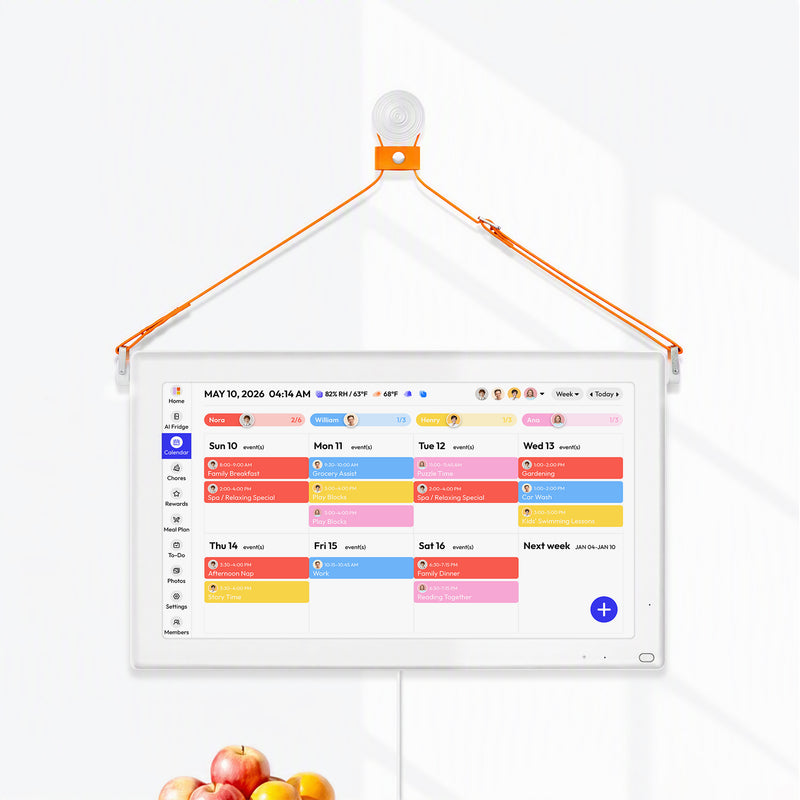
For many households, the smartest setup is not wall-only or phone-only. It is a hybrid. A shared digital family calendar solves the update problem that makes paper systems fall behind, because one change can show up for every caregiver right away instead of sitting on a page that no one remembers to refresh.
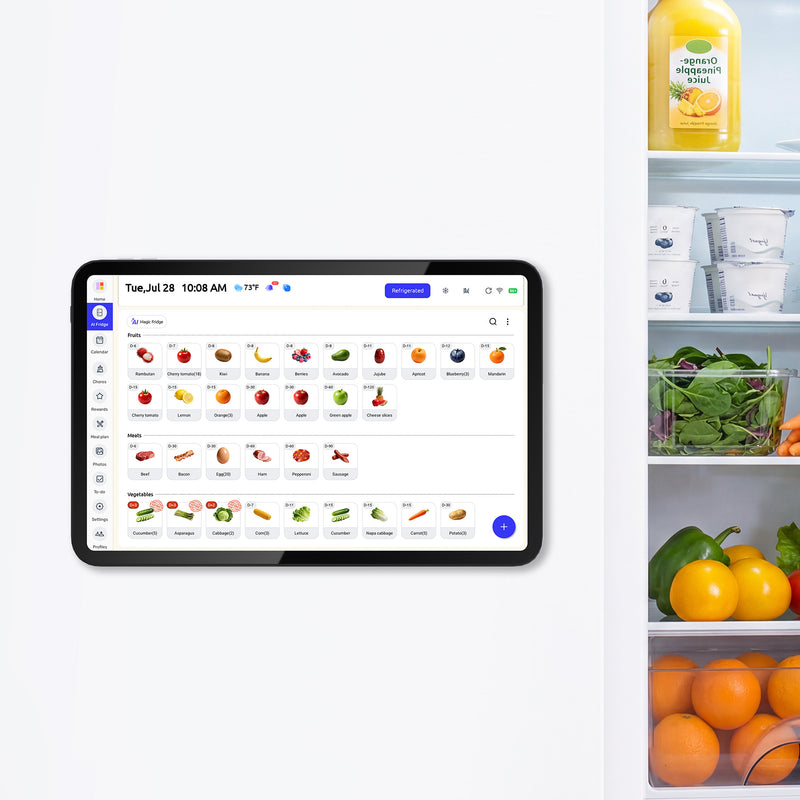
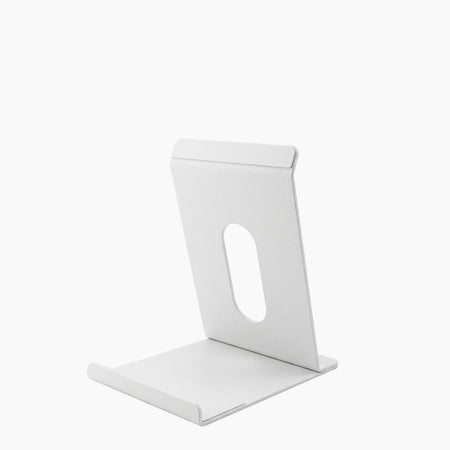
A digital family calendar works especially well when it syncs to personal devices and also feeds a visible home display. That way, the wall gives the family one shared reference point, and the phones carry the same truth when someone is at work, at the store, or in the pickup line. For a wall-mounted option, the Everblog 21.5" Digital Calendar is designed as a large touch display that helps families view plans, tasks, chores, and events on one screen.

What digital does better than paper
Paper is fine for a quiet week. It breaks down when the same page has to hold school events, work meetings, meals, chores, and activities at once. If a practice gets moved, a dentist visit changes, or a caregiver swaps pickup duty, the change needs to reach everyone quickly. Digital tools are better at that kind of fast update.
The useful part is not the app itself. It is the fact that the calendar becomes shared infrastructure instead of private knowledge. That matters in real homes where one parent is cooking, another is commuting, and a grandparent or sitter may also need to know the day’s plan.
Keep the rollout realistic
You do not need a weekend-long overhaul. One workable setup can be started in about 20 minutes, then stabilized over a week or two. The practical path is simple: choose one high-traffic display, connect the calendars you already use, and add school events, work meetings, appointments, meals, and recurring chores in a clean, shared format.
How Chores and Meals Keep the System Honest
The best command center is not just a schedule board. It is a household rhythm board. If chores and meals are not part of it, the display can still look tidy while the actual home life stays scattered.
A simple rotating chore plan can help here. In one family with three daughters ages 12, 10, and 8, the weekly system stays small: empty the dishwasher, feed and water pets, and take out the trash. Each child keeps the same chore for one week, then rotates the next week. That setup works because it is simple, age-appropriate, and easy to remember, and it cuts down on arguing and forgetfulness chore schedule.
Keep chores boring on purpose
That may sound unglamorous, but it is the point. A family system that asks people to interpret a complicated chart every morning is more likely to fail than one with a few repeatable jobs. Repetition removes the need for negotiation. It also makes the board feel less like a school project and more like part of the house routine.
The same logic applies to timing. In the example above, the family sets aside about 10 minutes before school and 10 minutes after dinner for chores. That is enough structure to make the system real without turning it into a second job.
Build meals into the same rhythm
Meal planning belongs here because dinner decisions shape the rest of the evening. A visible meal zone can reduce the daily question of “What’s for dinner?” and help a family see what needs to be thawed, cooked, or used up first. It can also support food-safety timing, such as keeping the fridge below 41°F and using or freezing most opened or cooked foods within 4 to 7 days.

That kind of detail sounds small, but it helps a busy household make better decisions at the right time. If opened hot dogs are good for about 1 week, ready-to-eat salads for 3 to 4 days, and opened luncheon meat for 3 to 5 days, the family board can help prevent the kind of wasted food that happens when the fridge becomes a mystery box.
Where Pretty Helps, and Where It Gets in the Way
A good-looking command center is not the enemy. It just needs to earn its place by making the system easier to use. Color can help, but too many colors become visual noise. A tight palette of 4 to 6 fixed colors is usually enough for different people, categories, or activity types.
The same is true for display style. A clean board with labeled zones can be lovely. But if it takes too long to update, if only one adult understands it, or if it does not match how the family actually moves through the day, it will gradually stop mattering. The most useful systems usually include a short daily check and a weekly reset, not because the house needs more rules, but because the board needs to stay truthful.
A practical reset routine
A small maintenance rhythm keeps the whole thing alive:
- Check the calendar in the morning for any same-day changes
- Clear paper clutter after school or before dinner
- Review dinner, pickup, and next-day items at night
- Reset the week once on Sunday evening
- Replace outdated notes before they pile up
That routine is not glamorous, but it works. A family that spends 1 to 3 minutes checking the board several times a day is more likely to trust it, which is what turns a command center from decor into infrastructure.
Practical Next Steps
If your current setup looks good but still causes missed tasks, start by simplifying it. A wall display should not try to do everything alone. It should show the next 7 to 14 days clearly, support a shared digital calendar, and give chores and meals a place in the same system.
Quick action checklist
- Pick one high-traffic spot where the whole family already passes
- Keep the main calendar to the next 7 to 14 days
- Add who, when, and where to every activity
- Use one shared digital calendar for updates and reminders
- Give chores a simple weekly rotation
- Add dinner plans next to the calendar
- Set a short daily check and a weekly reset
A polished command center can still be useful, but only if it helps your household make decisions faster. The real goal is not a prettier wall. It is a home that feels easier to run because everyone can see what matters and act on it.


