
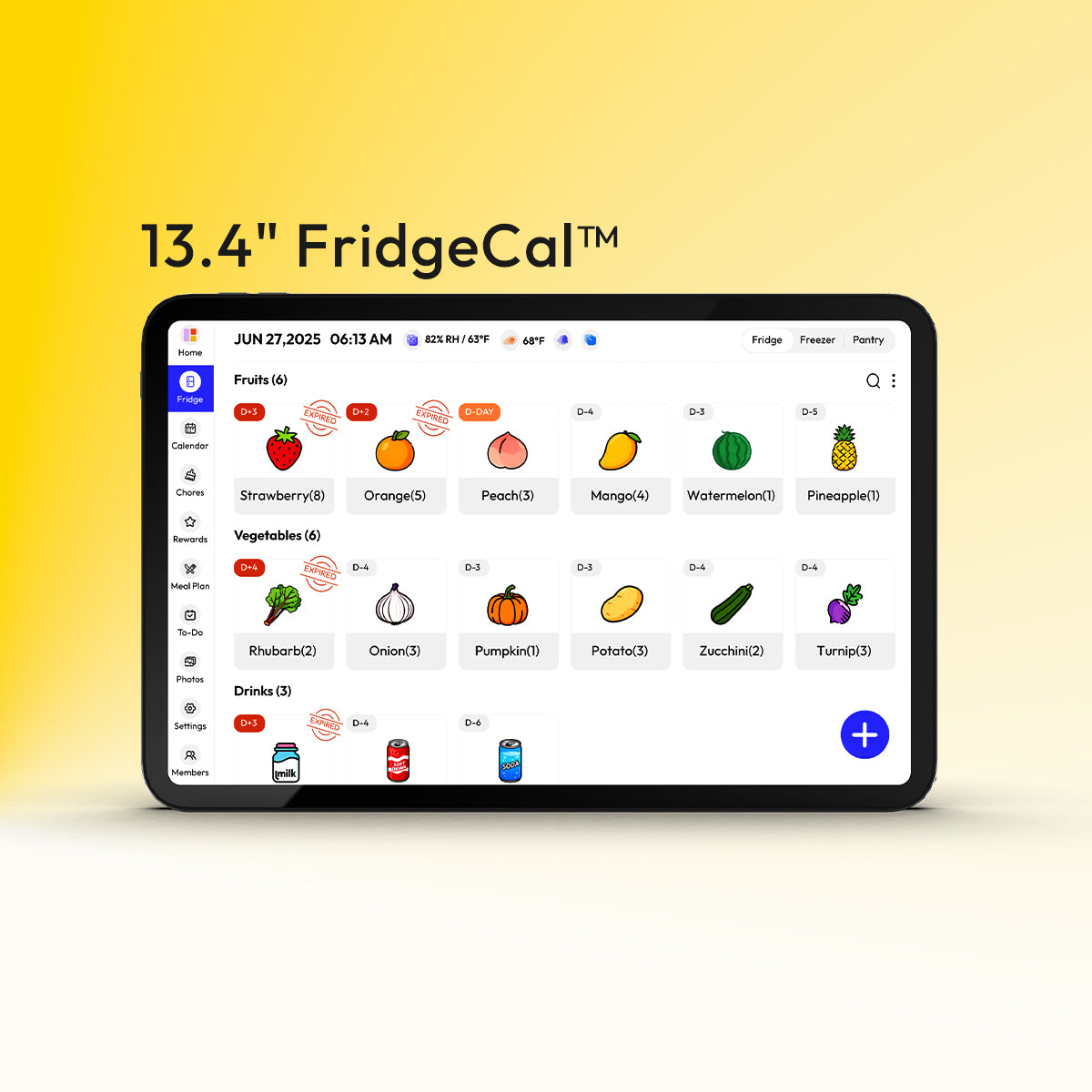
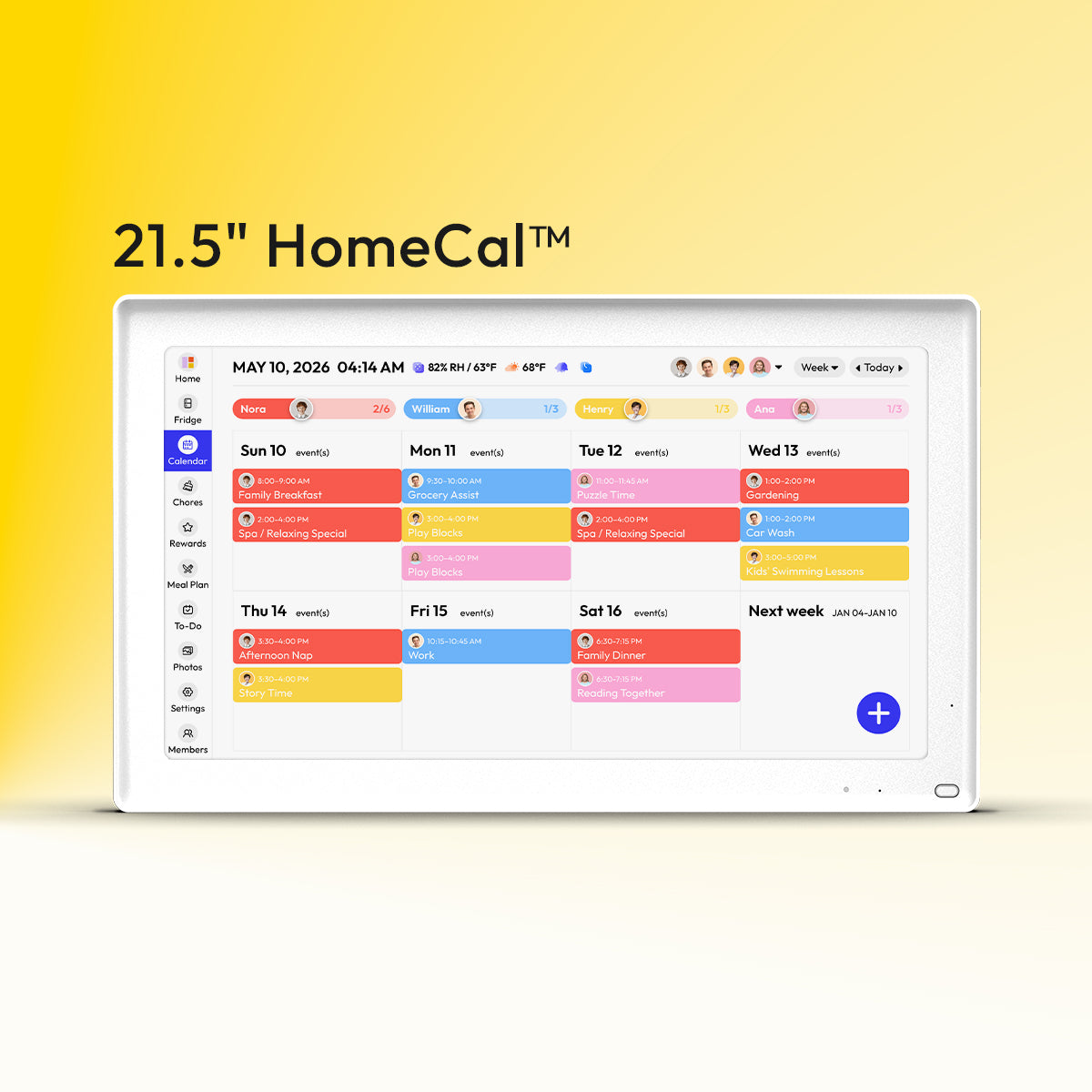


One shared family planning hub gives kids a visible preview of what comes next, so school days, pickup changes, meals, and bedtime handoffs are easier to handle.
When school pickup shifts, dinner runs late, or tomorrow’s library books are still by the door, the day can feel louder than it should. Predictable routines and a visible plan give kids something steady to hold onto, and they also cut down on the repeated reminder loop that wears families out. Here is how to build one shared hub that helps kids see transitions before they arrive.
Why Transitions Feel Hard When Plans Stay Hidden
Predictable routines reduce chaos and stress because children know what happens next. That matters most at the handoff moments: waking up, leaving the house, coming home, and getting ready for bed.
The problem is often not the child. What often breaks is the handoff, because the plan is split across texts, inboxes, sticky notes, and one person’s memory. A visible plan only works when it stays shared and easy to update; otherwise, the wall calendar becomes decoration instead of the household’s current version of the day.

What kids actually need to see
Children usually do better when they can see sequence, not just events. “Soccer at 4:30 PM” helps, but “school, snack, homework, soccer, shower” helps more because it shows what comes next.
Repetition matters because it turns the day into a familiar pattern instead of a new puzzle every afternoon. That is especially useful for younger children, who learn routines by seeing the same order again and again.
What a Shared Planning Hub Should Show
What to make visible is the next step, the owner, and the leaving time. A shared family calendar keeps those answers in one place instead of scattering them across messages and memory.
For most families, the clearest setup has three lanes: calendar, meals, and chores or home tasks. The calendar holds school events, practices, appointments, and pickups; the meal lane holds dinner and groceries; the task lane holds laundry, library books, trash night, forms, and anything else that tends to disappear until the last minute. A wall-mounted digital calendar, such as the Everblog 21.5" Digital Calendar, can serve as one shared screen for plans, tasks, chores, and events.

Keep the entries short
Short notes work better than full sentences. “Library books Thursday” is easier for a child to use than a long paragraph, and “Mom drives, leave at 4:10 PM, cleats in backpack” gives the handoff details that keep the day moving.
The goal is not to make the board look busy. The goal is to make the next move obvious so kids do not have to guess, and adults do not have to keep repeating the same reminder.
How to Use It to Help Kids Anticipate the Day
A warning before the transition matters. A simple 10-minute heads-up and a direct instruction like “Shoes on, then bag by the door” often works better than offering several choices at once because routine and clear direction help children know what happens next.
If a child has trouble switching gears, starting tasks, or remembering steps, executive function may be part of the picture. That is the brain’s planning-and-shifting system, and a visible hub can help by moving the steps out of someone’s head and into the room where everyone can see them.

Give kids one job at a time
The best kid jobs are small and specific. Check for trash night, watch for library day, set out the after-school snack, or put the lunch bag by the door. One age-appropriate task is enough.
Visible repeats like “trash tonight,” “library books Thursday,” and “tacos Friday” help kids predict the week without needing a long explanation every time shared family calendar. For younger kids, a simple visual routine chart with drawings or photos can do the same job at the day level. A child can also handle one planning job at a time, which keeps the system practical instead of turning it into another source of pressure.
Paper, Digital, or Hybrid: What Works Best
Digital tools are strongest when the plan changes often. Shared calendars handle appointments, carpools, grocery needs, and school updates well because changes can appear on every device at once, while paper is better for forms, signatures, mail, and short-term reminders that need to stay in sight. For a hybrid setup, place the main calendar in a high-traffic spot like the kitchen, mudroom, hallway, or garage entry, with the main calendar around 57 to 60 inches high and kid-facing hooks around 42 to 48 inches high.

Start small if the house is already full
A small setup can work. Even a 2-foot section with a calendar, a mail tray, and a meal list can be enough if it stays current, and some families are better served by a starter setup that uses a TV, tablet, or browser they already own instead of buying a new wall display.
Paper, digital, or hybrid is not the real decision. The real decision is whether everyone sees the same plan before the next handoff.
Practical Next Steps
What may help is a smaller, more visible system. If the hub is simple, current, and shared, it can lower the number of times everyone has to ask the same question. Share the reset work so it does not become one person’s extra job.
What to set up first
- Pick one high-traffic spot where people already pass on the way out.
- Choose one shared digital calendar or wall board for live changes.
- Add a 7- to 14-day view.
- Put meals and chores beside the calendar.
- Give each child one small recurring job.
- Do a 1-minute morning scan, a 3-minute after-school check, and a 3-minute evening reset.
Start with one visible place and one shared reset. The best version is not the prettiest one; it is the one that still makes sense when the house is moving fast.
FAQ
Q: How does a shared family calendar help kids anticipate transitions?
A: It shows the next step before the house is in motion. When kids can see school events, meals, and handoffs in one place, transitions feel less sudden and less dependent on repeated reminders.
Q: Should I use paper or digital for a family planning hub?
A: Use digital for anything that changes quickly, like practices, pickups, and grocery needs. Use paper for forms, signatures, mail, and notes that need to stay in sight. Many families do best with both.
Q: What if my child gets overwhelmed by too much information?
A: Show less, not more. Keep the view to the next 7 to 14 days, use short labels, and give one job at a time so the hub stays useful instead of becoming another wall of noise.
Disclaimer
This article is for household planning education only. It is not a substitute for mental health care, medical advice, legal advice, or crisis support. If safety, custody orders, or a diagnosed condition are involved, work with the appropriate licensed professional.
References


